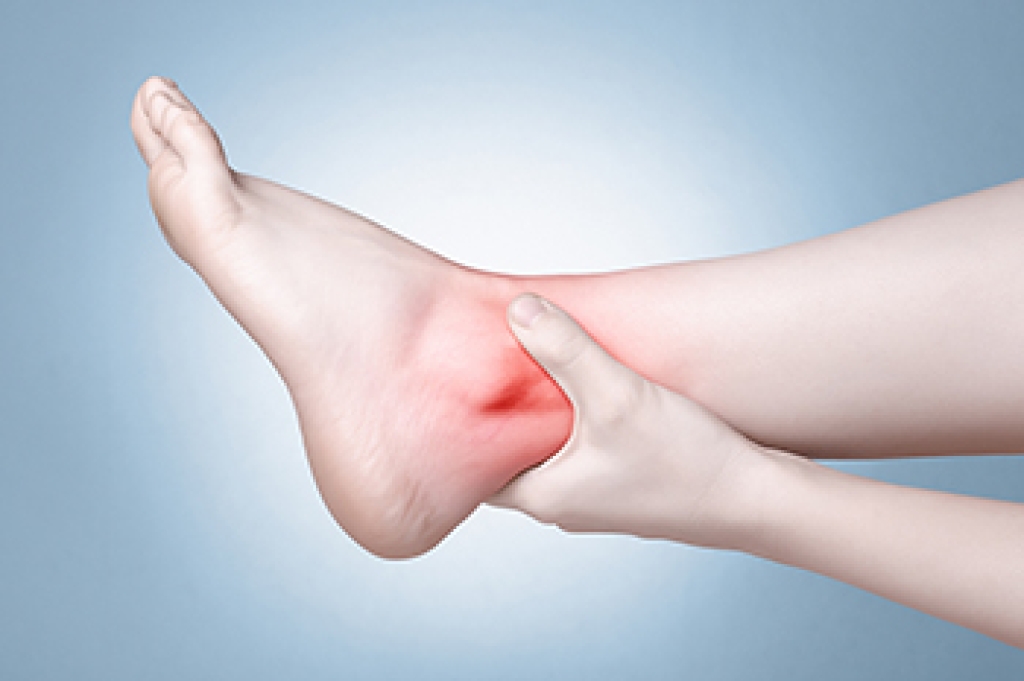
How to Select the Ideal Running Shoe

Choosing the right running shoe is a critical decision that directly impacts both comfort and performance. Different foot types and running styles necessitate a personalized approach to ensure the perfect fit. For those individuals with high arches, cushioned shoes with ample shock absorption help absorb impact and provide essential support. Conversely, individuals with low arches or flat feet benefit from stability shoes that offer extra arch support and motion control. Runners who overpronate or supinate require shoes designed to address their specific gait patterns, preventing potential injuries. Determining your foot type and understanding your running mechanics are pivotal in guiding the selection process. Ultimately, investing time in finding the right running shoe tailored to your individual needs enhances not only the running experience but also safeguards against potential discomfort and injury. If you would like specific information about how to find the right running shoes for your needs, it is suggested that you consult a podiatrist.

You should always make sure your running shoes fit properly in order to avoid injury. For more information, contact one of our podiatrists from Dr. Jeffrey J. Betman & Associates . Our doctors can provide the care you need to keep you pain-free and on your feet.

Choosing the Right Running Shoe for Your Foot Type

Improper shoe sizing can cause a myriad of problems for your feet. Shoes that don’t fit you properly can lead to muscular imbalances in your body, which can result in foot, knee, and hip injuries.

Tips for Finding the Right Running Shoe

  • Make sure you have a thumb’s width of wiggle room between the end of your longest toe and the front of the shoe.
  • There should be little to no slipping at the heel
  • Don’t assume your size in one shoe brand will be your size in another
  • Do not lace up your shoes too tightly
  • Walk around in the store with your new shoes before you buy them

If you have any questions, please feel free to contact our offices located in Northwest Chicago, Southwest Chicago, and Wicker Park, Chicago, IL . We offer the newest diagnostic and treatment technologies for all your foot care needs.

Read more about Choosing the Right Running Shoe

Defining and Diagnosing Foot Fractures

A foot fracture, also known as a broken foot, refers to the break or crack in one or more of the bones within the foot. These fractures can result from various incidents, such as traumatic injuries, repetitive stress, or weakened bone structure. Diagnosing a foot fracture often involves a combination of physical examination and diagnostic imaging. The podiatrist will assess the injured area, looking for signs like pain, tenderness, swelling, deformity, and impaired range of motion. X-rays are the most common imaging tool used to confirm the diagnosis, allowing podiatrists to determine the type and location of the fracture accurately. Understanding the definition and diagnosis of a foot fracture is crucial for proper treatment and recovery. Whether it is a stress fracture from overuse or a traumatic injury, early diagnosis and appropriate management are essential for optimal healing and the restoration of normal foot function. If you have broken your foot, it is suggested that you consult a podiatrist who can provide one of several treatment options that are right for you.

A broken foot requires immediate medical attention and treatment. If you need your feet checked, contact one of our podiatrists from Dr. Jeffrey J. Betman & Associates . Our doctors can provide the care you need to keep you pain-free and on your feet.

Broken Foot Causes, Symptoms, and Treatment

A broken foot is caused by one of the bones in the foot typically breaking when bended, crushed, or stretched beyond its natural capabilities. Usually the location of the fracture indicates how the break occurred, whether it was through an object, fall, or any other type of injury. 

Common Symptoms of Broken Feet:

  • Bruising
  • Pain
  • Redness
  • Swelling
  • Blue in color
  • Numbness
  • Cold
  • Misshapen
  • Cuts
  • Deformities

Those that suspect they have a broken foot shoot seek urgent medical attention where a medical professional could diagnose the severity.

Treatment for broken bones varies depending on the cause, severity and location. Some will require the use of splints, casts or crutches while others could even involve surgery to repair the broken bones. Personal care includes the use of ice and keeping the foot stabilized and elevated.

If you have any questions, please feel free to contact our offices located in Northwest Chicago, Southwest Chicago, and Wicker Park, Chicago, IL . We offer the newest diagnostic and treatment technologies for all your foot care needs.

Read more about Causes, Symptoms, and Treatment for a Broken Foot

Causes and Treatment of Toenail Fungus

Toenail fungus, or onychomycosis, affects up to 14 percent of the population, with a higher incidence in toenails. Symptoms include discoloration, thickening, brittleness, and nail distortion. Advanced cases of toenail fungus may involve nail detachment, causing pain and potential infections. Fungal nail infections result from exposure to environmental fungi, exploiting small cracks in nails or surrounding skin. Risk factors include nail injuries, foot deformities, and trauma, creating entry points for fungi. Diabetes increases susceptibility due to compromised circulation and weakened immunity. Cancer or conditions suppressing the immune system elevate vulnerability. Poor leg circulation, such as venous insufficiency, or narrowed arteries, signaling peripheral artery disease, can contribute to the susceptibility for fungal nail infections. Those with a history of fungal skin infections are also more prone, especially anyone with a weakened immune system. Secondary bacterial infections are common in people with diabetes, amplifying health risks. Understanding toenail fungus causes and symptoms is essential for early detection. If you believe you have developed a toenail fungus infection, it is suggested that you schedule an appointment with a podiatrist who has advanced measures that can help rid you of this stubborn condition.

If left untreated, toenail fungus may spread to other toenails, skin, or even fingernails. If you suspect you have toenail fungus it is important to seek treatment right away. For more information about treatment, contact one of our podiatrists of Dr. Jeffrey J. Betman & Associates . Our doctors can provide the care you need to keep you pain-free and on your feet.

Symptoms

  • Warped or oddly shaped nails
  • Yellowish nails
  • Loose/separated nail
  • Buildup of bits and pieces of nail fragments under the nail
  • Brittle, broken, thickened nail

Treatment

If self-care strategies and over-the-counter medications does not help your fungus, your podiatrist may give you a prescription drug instead. Even if you find relief from your toenail fungus symptoms, you may experience a repeat infection in the future.

Prevention

In order to prevent getting toenail fungus in the future, you should always make sure to wash your feet with soap and water. After washing, it is important to dry your feet thoroughly especially in between the toes. When trimming your toenails, be sure to trim straight across instead of in a rounded shape. It is crucial not to cover up discolored nails with nail polish because that will prevent your nail from being able to “breathe”.

In some cases, surgical procedure may be needed to remove the toenail fungus. Consult with your podiatrist about the best treatment options for your case of toenail fungus.  

If you have any questions please contact our offices located in Northwest Chicago, Southwest Chicago, and Wicker Park, Chicago, IL . We offer the newest diagnostic and treatment technologies for all your foot and ankle needs.

Read more about Treating Toenail Fungus

Treatment for Severe Foot and Ankle Injuries

Traumatic injuries to the foot and ankle can lead to lasting problems that affect how an individual can move and live their life. It is not always easy for doctors to figure out the best way to diagnose and treat these injuries. Some injuries, like those in the lower leg near the ankle, can be especially tricky. One area of debate is how to handle injuries involving the distal tibiofibular syndesmosis. This is where two bones in the lower leg meet, and injuries here can be complicated to deal with. Another topic of discussion is what to do when someone breaks a bone in their heel. Some doctors argue about whether surgery is needed, and if so, whether to fuse the subtalar joint. These debates make it important for someone with a serious foot or ankle injury to schedule an appointment with a podiatrist to discuss the best course of treatment for the specific injury.

Foot and ankle trauma is common among athletes and the elderly. If you have concerns that you may have experienced trauma to the foot and ankle, consult with one of our podiatrists from Dr. Jeffrey J. Betman & Associates . Our doctors will assess your condition and provide you with quality foot and ankle treatment.

Foot and ankle trauma cover a range of injuries all over the foot; common injuries include:

  • Broken bones
  • Muscle strains
  • Injuries to the tendons and ligaments
  • Stress fractures

Symptoms

Symptoms of foot and ankle injuries vary depending on the injury, but more common ones include:

  • Bruising
  • Inflammation/ Swelling
  • Pain

Diagnosis

To properly diagnose the exact type of injury, podiatrists will conduct a number of different tests. Some of these include sensation and visual tests, X-rays, and MRIs. Medical and family histories will also be taken into account.

Treatment

Once the injury has been diagnosed, the podiatrist can than offer the best treatment options for you. In less severe cases, rest and keeping pressure off the foot may be all that’s necessary. Orthotics, such as a specially made shoes, or immobilization devices, like splints or casts, may be deemed necessary. Finally, if the injury is severe enough, surgery may be necessary.

If you have any questions, please feel free to contact our offices located in Northwest Chicago, Southwest Chicago, and Wicker Park, Chicago, IL . We offer the newest diagnostic and treatment technologies for all your foot care needs.

Read more about Foot and Ankle Trauma

Gout Pain Can Be Managed

Gout is a painful, inflammatory form of arthritis. Those affected will typically feel an intense stiffness in the joints of their feet, particularly in the big toe. Schedule a visit to learn about how gout can be managed and treated.

What Causes Morton’s Neuroma?

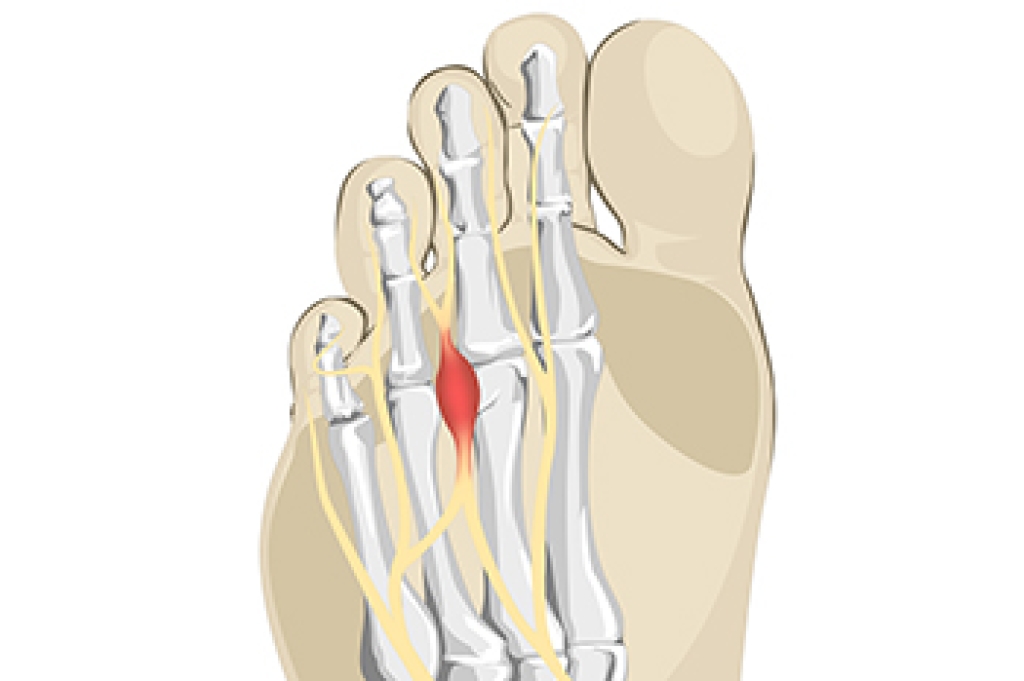
Morton's neuroma is a painful condition that affects the ball of the foot, typically between the third and fourth toes. It is caused by the thickening or enlargement of the tissue around a nerve leading to the toes. Several factors contribute to the development of Morton's neuroma. Wearing tight, narrow, or high-heeled shoes can compress the toes and increase pressure on the nerve, leading to irritation and inflammation. Additionally, individuals with certain foot deformities, such as high arches or flat feet, are more prone to developing Morton's neuroma because these conditions can alter the distribution of weight and pressure on the nerves. Engaging in activities that involve repetitive stress on the forefoot, like running or activities that require tight footwear, can contribute to the development of this condition. A foot injury or trauma can lead to the formation of scar tissue around the nerve, which can then become irritated and inflamed. If you experience symptoms associated with Morton's neuroma, such as pain, numbness, or a burning sensation in the ball of your foot, it is suggested that you schedule an appointment with a podiatrist for a proper diagnosis and treatment.

Morton’s neuroma is a very uncomfortable condition to live with. If you think you have Morton’s neuroma, contact one of our podiatrists of Dr. Jeffrey J. Betman & Associates . Our doctors will attend to all of your foot care needs and answer any of your related questions.  

Morton’s Neuroma

Morton's neuroma is a painful foot condition that commonly affects the areas between the second and third or third and fourth toe, although other areas of the foot are also susceptible. Morton’s neuroma is caused by an inflamed nerve in the foot that is being squeezed and aggravated by surrounding bones.

What Increases the Chances of Having Morton’s Neuroma?

  • Ill-fitting high heels or shoes that add pressure to the toe or foot
  • Jogging, running or any sport that involves constant impact to the foot
  • Flat feet, bunions, and any other foot deformities

Morton’s neuroma is a very treatable condition. Orthotics and shoe inserts can often be used to alleviate the pain on the forefront of the feet. In more severe cases, corticosteroids can also be prescribed. In order to figure out the best treatment for your neuroma, it’s recommended to seek the care of a podiatrist who can diagnose your condition and provide different treatment options.

If you have any questions, please feel free to contact our offices located in Northwest Chicago, Southwest Chicago, and Wicker Park, Chicago, IL . We offer the newest diagnostic and treatment technologies for all your foot care needs.
Read more about Morton's Neuroma

What Is the Role of a Foot Specialist?

A podiatrist, a medical professional specializing in the care and treatment of the feet, ankles, and lower extremities, plays a pivotal role in maintaining overall foot health. Trained to diagnose, treat, and prevent a spectrum of foot-related conditions, podiatrists undergo extensive education, focusing on the intricacies of the musculoskeletal system below the knee. From common issues like ingrown toenails and plantar fasciitis to complex conditions, such as foot deformities and diabetic foot complications, podiatrists provide comprehensive care. They offer a range of treatments, including medication, orthotics, and in some cases, surgical intervention. Beyond addressing acute concerns, podiatrists emphasize preventive care, offering guidance on proper footwear, gait analysis, and lifestyle adjustments to promote optimal foot health. Given the intricate interplay between foot health and overall well-being, consulting a podiatrist ensures specialized care for your feet. If you are interested in pursuing a career in podiatry, it is suggested that you speak to this type of healthcare professional who can address any questions you may have.

If you are experiencing pain in the feet or ankles, don’t join the stubborn majority refusing treatment. Feel free to contact one of our podiatrists from Dr. Jeffrey J. Betman & Associates . Our doctors can provide the care you need to keep you pain-free and on your feet.

What Is a Podiatrist?

Someone would seek the care of a podiatrist if they have suffered a foot injury or have common foot ailments such as heal spurs, bunions, arch problems, deformities, ingrown toenails, corns, foot and ankle problems, etc.

Podiatric Treatment

A podiatrist will treat the problematic areas of the feet, ankle or lower leg by prescribing the following:

  • Physical therapy
  • Drugs
  • Orthotic inserts or soles
  • Surgery on lower extremity fractures

A common podiatric procedure a podiatrist will use is a scanner or force plate which will allow the podiatrist to know the designs of orthotics. Patients are then told to follow a series of tasks to complete the treatment. The computer will scan the foot a see which areas show weight distribution and pressure points. The podiatrist will read the analysis and then determine which treatment plans are available.

If you have any questions, please feel free to contact our offices located in Northwest Chicago, Southwest Chicago, and Wicker Park, Chicago, IL . We offer the newest diagnostic and treatment technologies for all your foot care needs.

Read more about What is a Podiatrist?

Arachnodactyly of the Feet

Arachnodactyly, commonly known as spider fingers, is a condition that is characterized by unusually long and slender digits in the hands or feet. When this condition affects the feet, it results in notably elongated and thin toes. It is often an inherited condition and can be a standalone feature or part of a broader genetic disorder, such as Marfan syndrome or Ehlers-Danlos syndrome. These syndromes involve connective tissue disorders that can lead to a range of physical abnormalities, including arachnodactyly. In the context of foot health, arachnodactyly can sometimes cause discomfort or difficulty in finding properly fitting footwear. While the condition primarily affects the appearance of the feet, it typically does not impair foot function or mobility. However, it can be associated with other foot-related issues, if part of a broader syndrome. Management of arachnodactyly primarily involves addressing any associated conditions and wearing comfortable and supportive footwear. If you have this condition, it is strongly suggested that you have regular appointments with a podiatrist for monitoring.

Some foot conditions may require additional professional care. If you have any concerns, contact one of our podiatrists of Dr. Jeffrey J. Betman & Associates . Our doctors can provide the care you need to keep you pain-free and on your feet.

Rare Foot Conditions

The majority of foot conditions are common and can be treated by a podiatrist.  Standard diagnostic procedures are generally used to identify specific conditions and treatment can be rendered. A podiatrist also treats rare foot conditions which can be difficult to diagnose and may need extra attention and care. 

There are many rare foot conditions that can affect children. Some of these can include:

  • Freiberg’s disease
  • Kohler’s disease
  • Maffucci syndrome

Freiberg’s disease - This can be seen as a deterioration and flattening of a metatarsal bone that exists in the ball of the foot. It typically affects pre-teen and teenage girls, but can affect anyone at any age. Symptoms that can accompany this can be swelling, stiffness, and the patient may limp. 

Kohler’s disease - This often targets the bone in the arch of the foot and affects younger boys. It can lead to an interruption of the blood supply which ultimately can lead to bone deterioration. The patient may limp or experience tenderness, swelling, and redness.

Maffucci syndrome - This affects the long bones in a child’s foot leading to the development of abnormal bone lesions. They are benign growths and typically develop in early childhood and the bones may be susceptible to breaking. 

A podiatrist can properly diagnose and treat all types of rare foot conditions. If your child is affected by any of these symptoms or conditions, please don’t hesitate to call our office so the correct treatment method can begin.

If you have any questions, please feel free to contact our offices located in Northwest Chicago, Southwest Chicago, and Wicker Park, Chicago, IL . We offer the newest diagnostic and treatment technologies for all your foot care needs.

Read more about Rare Foot Conditions

Reasons for Existing Ankle Pain

Ankle pain is a common complaint that can impact people of all ages and activity levels. There are numerous factors that can contribute to ankle discomfort. One common cause is injury, such as sprains or strains, which can result from a fall, twist, or overexertion during physical activities. Arthritis is another prevalent reason for ankle pain, particularly in older individuals. Conditions such as osteoarthritis or rheumatoid arthritis can lead to joint inflammation and discomfort. Overuse and repetitive stress on the ankle joint, often seen in athletes, can result in pain or conditions like Achilles tendonitis. Other potential causes can include underlying medical conditions, such as gout, nerve compression, or circulatory issues. Footwear choices and improper gait can also contribute to the development of ankle pain. Proper diagnosis and management of ankle pain are vital, as the appropriate treatment plan will depend on identifying the specific cause. If you have ankle pain, it is suggested that you schedule an appointment with a podiatrist who can determine what the cause is, and offer appropriate relief and treatment options.

Ankle pain can be caused by a number of problems and may be potentially serious. If you have ankle pain, consult with one of our podiatrists from Dr. Jeffrey J. Betman & Associates . Our doctors will assess your condition and provide you with quality foot and ankle treatment.

Ankle pain is any condition that causes pain in the ankle. Due to the fact that the ankle consists of tendons, muscles, bones, and ligaments, ankle pain can come from a number of different conditions.

Causes

The most common causes of ankle pain include:

  • Types of arthritis (rheumatoid, osteoarthritis, and gout)
  • Ankle sprains
  • Broken ankles
  • Achilles tendonitis
  • Achilles tendon rupture
  • Stress fractures
  • Bursitis
  • Tarsal tunnel syndrome
  • Plantar fasciitis

Symptoms

Symptoms of ankle injury vary based upon the condition. Pain may include general pain and discomfort, swelling, aching, redness, bruising, burning or stabbing sensations, and/or loss of sensation.

Diagnosis

Due to the wide variety of potential causes of ankle pain, podiatrists will utilize a number of different methods to properly diagnose ankle pain. This can include asking for personal and family medical histories and of any recent injuries. Further diagnosis may include sensation tests, a physical examination, and potentially x-rays or other imaging tests.

Treatment

Just as the range of causes varies widely, so do treatments. Some more common treatments are rest, ice packs, keeping pressure off the foot, orthotics and braces, medication for inflammation and pain, and surgery.

If you have any questions please feel free to contact our offices located in Northwest Chicago, Southwest Chicago, and Wicker Park, Chicago, IL . We offer the newest diagnostic tools and technology to treat your foot and ankle needs.

Read more about Ankle Pain

How Foot Stretches are Beneficial to Your Health

Exercising the feet and ankles regularly can ward off pain and strengthen these areas, enhancing flexibility in the process. Simple routines like stretching the big toe, spreading the toes, extending the Achilles tendon, and walking in sand can be especially helpful. These exercises ensure that the foot muscles are strong and supportive, contributing to an increased range of motion which is vital for long-term activity and mobility. These types of exercises are straightforward and can be easily integrated into daily routines without the need for specialized equipment. Whether at home or as part of a gym workout, they can become a regular aspect of anyone's fitness regimen, aiding in the maintenance of foot health and overall well-being. If you are interested in learning more about stretching the feet and specific exercises you can do, it is suggested that you make an appointment with a podiatrist who can provide the information you are seeking.

Stretching the feet is a great way to prevent injuries. If you have any concerns with your feet consult with one of our podiatrists from Dr. Jeffrey J. Betman & Associates . Our doctors will assess your condition and provide you with quality foot and ankle treatment.

Stretching the Feet

Being the backbone of the body, the feet carry your entire weight and can easily become overexerted, causing cramps and pain. As with any body part, stretching your feet can serve many benefits. From increasing flexibility to even providing some pain relief, be sure to give your feet a stretch from time to time. This is especially important for athletes or anyone performing aerobic exercises, but anyone experiencing foot pain or is on their feet constantly should also engage in this practice.

Great ways to stretch your feet:

  • Crossing one leg over the others and carefully pull your toes back. Do 10-20 repetitions and repeat the process for each foot
  • Face a wall with your arms out and hands flat against the wall. Step back with one foot and keep it flat on the floor while moving the other leg forward. Lean towards the wall until you feel a stretch. Hold for 30 seconds and perform 10 repetitions for each foot
  • Be sure not to overextend or push your limbs too hard or you could risk pulling or straining your muscle

Individuals who tend to their feet by regular stretching every day should be able to minimize foot pain and prevent new problems from arising.

If you have any questions please contact our offices located in Northwest Chicago, Southwest Chicago, and Wicker Park, Chicago, IL . We offer the newest diagnostic and treatment technologies for all your foot and ankle needs.

Read more about Stretching Your Feet

Connect With Us