Reasons for Existing Ankle Pain

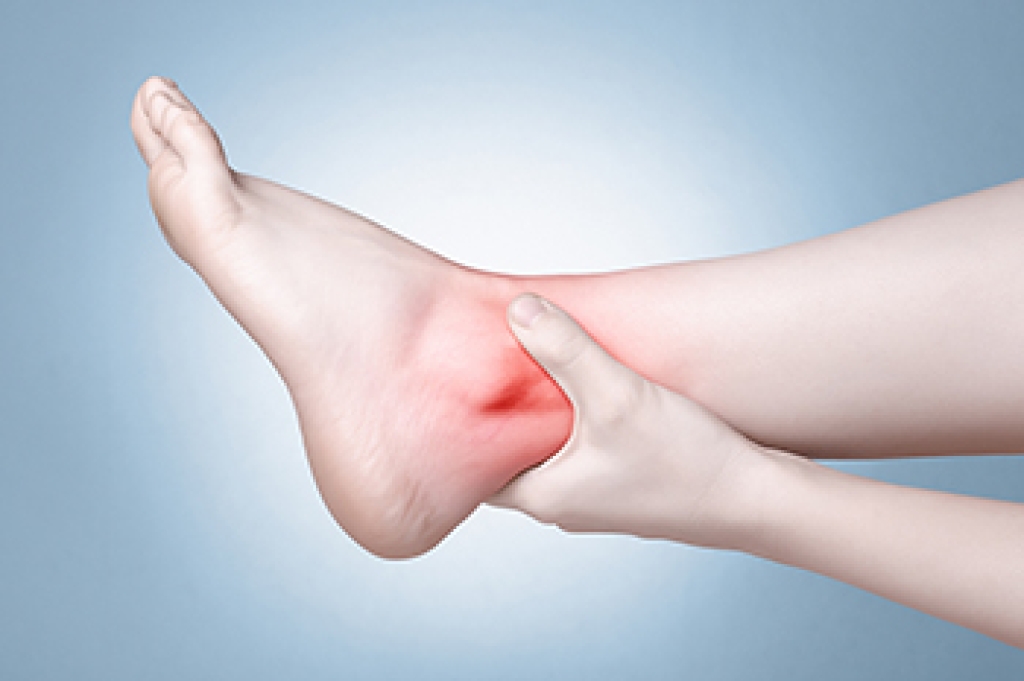
Ankle pain is a common complaint that can impact people of all ages and activity levels. There are numerous factors that can contribute to ankle discomfort. One common cause is injury, such as sprains or strains, which can result from a fall, twist, or overexertion during physical activities. Arthritis is another prevalent reason for ankle pain, particularly in older individuals. Conditions such as osteoarthritis or rheumatoid arthritis can lead to joint inflammation and discomfort. Overuse and repetitive stress on the ankle joint, often seen in athletes, can result in pain or conditions like Achilles tendonitis. Other potential causes can include underlying medical conditions, such as gout, nerve compression, or circulatory issues. Footwear choices and improper gait can also contribute to the development of ankle pain. Proper diagnosis and management of ankle pain are vital, as the appropriate treatment plan will depend on identifying the specific cause. If you have ankle pain, it is suggested that you schedule an appointment with a podiatrist who can determine what the cause is, and offer appropriate relief and treatment options.

Ankle pain can be caused by a number of problems and may be potentially serious. If you have ankle pain, consult with one of our podiatrists from Dr. Jeffrey J. Betman & Associates . Our doctors will assess your condition and provide you with quality foot and ankle treatment.

Ankle pain is any condition that causes pain in the ankle. Due to the fact that the ankle consists of tendons, muscles, bones, and ligaments, ankle pain can come from a number of different conditions.

Causes

The most common causes of ankle pain include:

  • Types of arthritis (rheumatoid, osteoarthritis, and gout)
  • Ankle sprains
  • Broken ankles
  • Achilles tendonitis
  • Achilles tendon rupture
  • Stress fractures
  • Bursitis
  • Tarsal tunnel syndrome
  • Plantar fasciitis

Symptoms

Symptoms of ankle injury vary based upon the condition. Pain may include general pain and discomfort, swelling, aching, redness, bruising, burning or stabbing sensations, and/or loss of sensation.

Diagnosis

Due to the wide variety of potential causes of ankle pain, podiatrists will utilize a number of different methods to properly diagnose ankle pain. This can include asking for personal and family medical histories and of any recent injuries. Further diagnosis may include sensation tests, a physical examination, and potentially x-rays or other imaging tests.

Treatment

Just as the range of causes varies widely, so do treatments. Some more common treatments are rest, ice packs, keeping pressure off the foot, orthotics and braces, medication for inflammation and pain, and surgery.

If you have any questions please feel free to contact our offices located in Northwest Chicago, Southwest Chicago, and Wicker Park, Chicago, IL . We offer the newest diagnostic tools and technology to treat your foot and ankle needs.


Read more about Ankle Pain

How Foot Stretches are Beneficial to Your Health

Exercising the feet and ankles regularly can ward off pain and strengthen these areas, enhancing flexibility in the process. Simple routines like stretching the big toe, spreading the toes, extending the Achilles tendon, and walking in sand can be especially helpful. These exercises ensure that the foot muscles are strong and supportive, contributing to an increased range of motion which is vital for long-term activity and mobility. These types of exercises are straightforward and can be easily integrated into daily routines without the need for specialized equipment. Whether at home or as part of a gym workout, they can become a regular aspect of anyone's fitness regimen, aiding in the maintenance of foot health and overall well-being. If you are interested in learning more about stretching the feet and specific exercises you can do, it is suggested that you make an appointment with a podiatrist who can provide the information you are seeking.

Stretching the feet is a great way to prevent injuries. If you have any concerns with your feet consult with one of our podiatrists from Dr. Jeffrey J. Betman & Associates . Our doctors will assess your condition and provide you with quality foot and ankle treatment.

Stretching the Feet

Being the backbone of the body, the feet carry your entire weight and can easily become overexerted, causing cramps and pain. As with any body part, stretching your feet can serve many benefits. From increasing flexibility to even providing some pain relief, be sure to give your feet a stretch from time to time. This is especially important for athletes or anyone performing aerobic exercises, but anyone experiencing foot pain or is on their feet constantly should also engage in this practice.

Great ways to stretch your feet:

  • Crossing one leg over the others and carefully pull your toes back. Do 10-20 repetitions and repeat the process for each foot
  • Face a wall with your arms out and hands flat against the wall. Step back with one foot and keep it flat on the floor while moving the other leg forward. Lean towards the wall until you feel a stretch. Hold for 30 seconds and perform 10 repetitions for each foot
  • Be sure not to overextend or push your limbs too hard or you could risk pulling or straining your muscle

Individuals who tend to their feet by regular stretching every day should be able to minimize foot pain and prevent new problems from arising.

If you have any questions please contact our offices located in Northwest Chicago, Southwest Chicago, and Wicker Park, Chicago, IL . We offer the newest diagnostic and treatment technologies for all your foot and ankle needs.

Read more about Stretching Your Feet

Foot Deformities and High Heels

High heels, while often a stylish footwear choice, can lead to foot problems for many women. Regularly wearing these types of shoes can result in the feet becoming flatter, causing the big toe to deviate abnormally, either inwards or outwards. This is not just limited to the big toe, as the little toe can also be affected, tending to bend inwards. The altered posture and pressure points created by the elevated heel height can lead to various deformities. For women who frequently choose to wear high heels, it is essential to recognize the potential long-term effect on their foot health. If you enjoy wearing high heels, it is suggested that you make an appointment with a podiatrist who can offer guidance on how to wear heels in a way that minimizes harm. They can also suggest alternative fashionable footwear options that provide a better balance between fashion and foot health. Taking these precautions may help to prevent long-term foot issues.

High heels have a history of causing foot and ankle problems. If you have any concerns about your feet or ankles, contact one of our podiatrists from Dr. Jeffrey J. Betman & Associates . Our doctors can provide the care you need to keep you pain-free and on your feet.

Effects of High Heels on the Feet

High heels are popular shoes among women because of their many styles and societal appeal.  Despite this, high heels can still cause many health problems if worn too frequently.

Which Parts of My Body Will Be Affected by High Heels?

  • Ankle Joints
  • Achilles Tendon – May shorten and stiffen with prolonged wear
  • Balls of the Feet
  • Knees – Heels cause the knees to bend constantly, creating stress on them
  • Back – They decrease the spine’s ability to absorb shock, which may lead to back pain.  The vertebrae of the lower back may compress.

What Kinds of Foot Problems Can Develop from Wearing High Heels?

  • Corns
  • Calluses
  • Hammertoe
  • Bunions
  • Morton’s Neuroma
  • Plantar Fasciitis

How Can I Still Wear High Heels and Maintain Foot Health?

If you want to wear high heeled shoes, make sure that you are not wearing them every day, as this will help prevent long term physical problems.  Try wearing thicker heels as opposed to stilettos to distribute weight more evenly across the feet.  Always make sure you are wearing the proper shoes for the right occasion, such as sneakers for exercising.  If you walk to work, try carrying your heels with you and changing into them once you arrive at work.  Adding inserts to your heels can help cushion your feet and absorb shock. Full foot inserts or metatarsal pads are available. 

If you have any questions, please feel free to contact our offices located in Northwest Chicago, Southwest Chicago, and Wicker Park, Chicago, IL . We offer the newest diagnostic and treatment technologies for all your foot care needs.

Read more about Effect of High Heels on the Feet

Lymphedema of the Feet

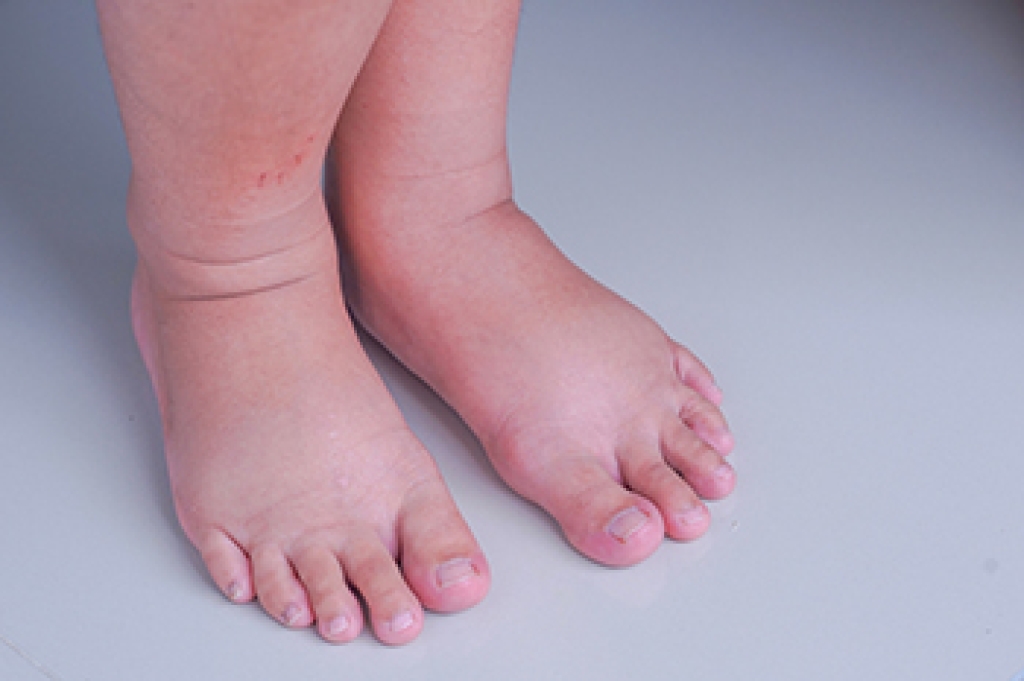
Lymphedema is a chronic condition characterized by swelling due to a compromised lymphatic system. This system is vital for the immune response and involves organs like the spleen and lymph nodes, as well as fluid-carrying vessels. Normally, it circulates a fluid called lymph, rich in white blood cells, throughout the body to combat infections. When blocked due to obesity, injuries, or genetic issues, the lymph gets trapped in tissues, causing swelling. The swelling usually occurs in the arms or legs and feet and can result in symptoms like heaviness, tight skin, limited joint mobility, skin thickening, and itching or burning sensations. Diagnosis involves multiple steps to rule out other causes of foot swelling, such as infections or blood clots. If you have swollen feet, it is suggested that you make an appointment with a podiatrist for a proper diagnosis and treatment.

Swollen feet can be a sign of an underlying condition. If you have any concerns, contact one of our podiatrists of Dr. Jeffrey J. Betman & Associates . Our doctors can provide the care you need to keep you pain-free and on your feet.

Swollen feet are a common ailment among pregnant women and people who stand or sit for extended periods. Aging may increase the possibility of swollen feet and patients who are obese often notice when their feet are swelling too. There may be medical reasons why swollen feet occur:

  • Phlebitis - A condition that causes the veins to become inflamed and can also cause leg pain.
  • Liver disease - This may lead to low blood levels of albumin which is a protein. This can cause fluid in the blood to pass into the tissues and several areas of the body can become swollen.
  • Heart failure - When the heart doesn’t pump properly the blood that is normally pumped back to the heart can pool in the veins of the legs causing swollen feet.
  • Kidney disease - One of the main functions of the kidneys is releasing excess fluid in the body. This type of condition can make it difficult for the kidneys to function properly, and as a result the feet may become swollen.
  • Deep-vein thrombosis (DVT)- This is a serious condition where blood clots form in the veins of the legs. They can block the return of blood from the legs to the heart which may cause the feet to swell. It is important to be treated by a podiatrist if this condition is present.

Swollen feet can also be caused by bone and tendon conditions, including fractures, arthritis, and tendinitis. Additionally, there may be skin and toenail conditions and an infection may cause the feet to swell. Patients who take medicine to treat high blood pressure may be prone to getting swollen feet. 

Many patients elevate their feet to help relieve the swelling and this is generally a temporary remedy. When a podiatrist is consulted the reason behind the swelling can be uncovered and subsequently treated.

If you have any questions please contact our offices located in Northwest Chicago, Southwest Chicago, and Wicker Park, Chicago, IL . We offer the newest diagnostic and treatment technologies for all your foot and ankle needs.

Read more about Swelling of the Feet

Connect With Us