Causes of Pain in Front of the Ankle

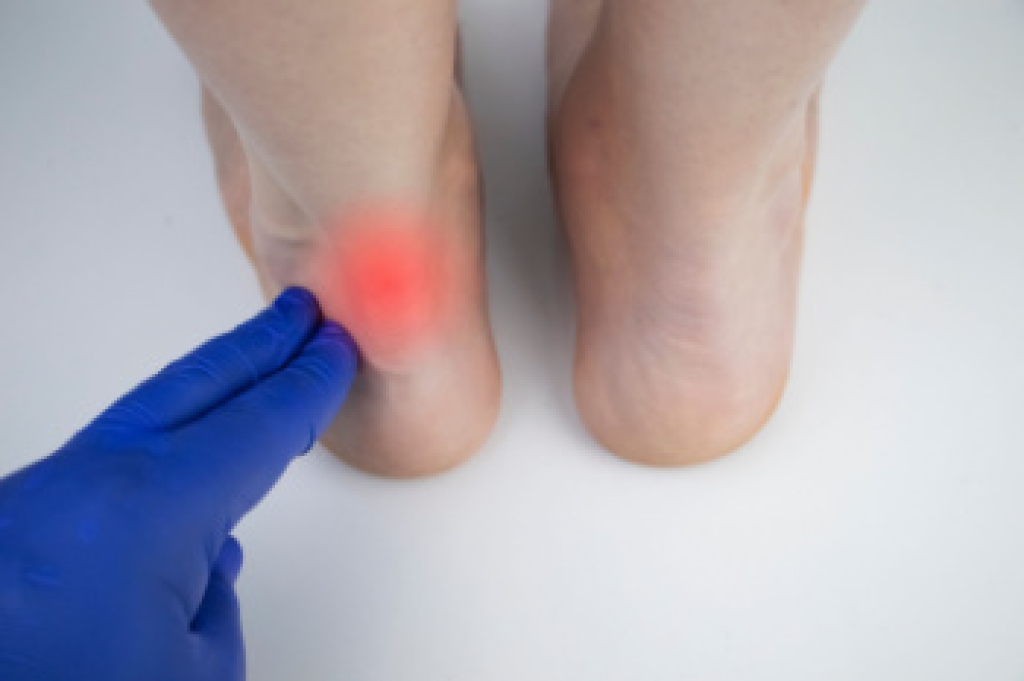
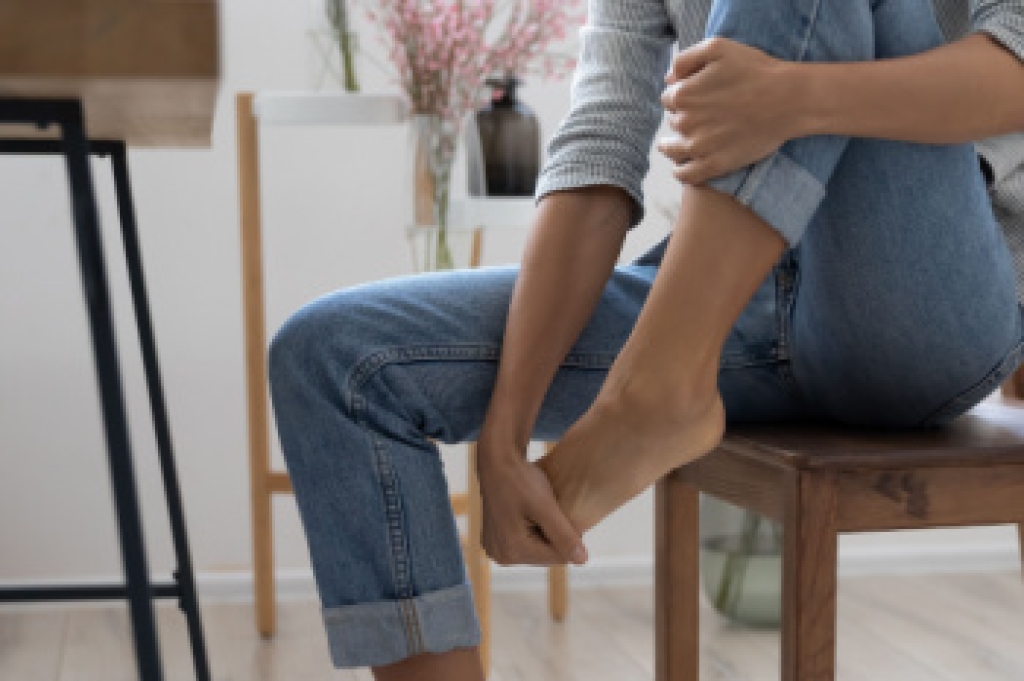
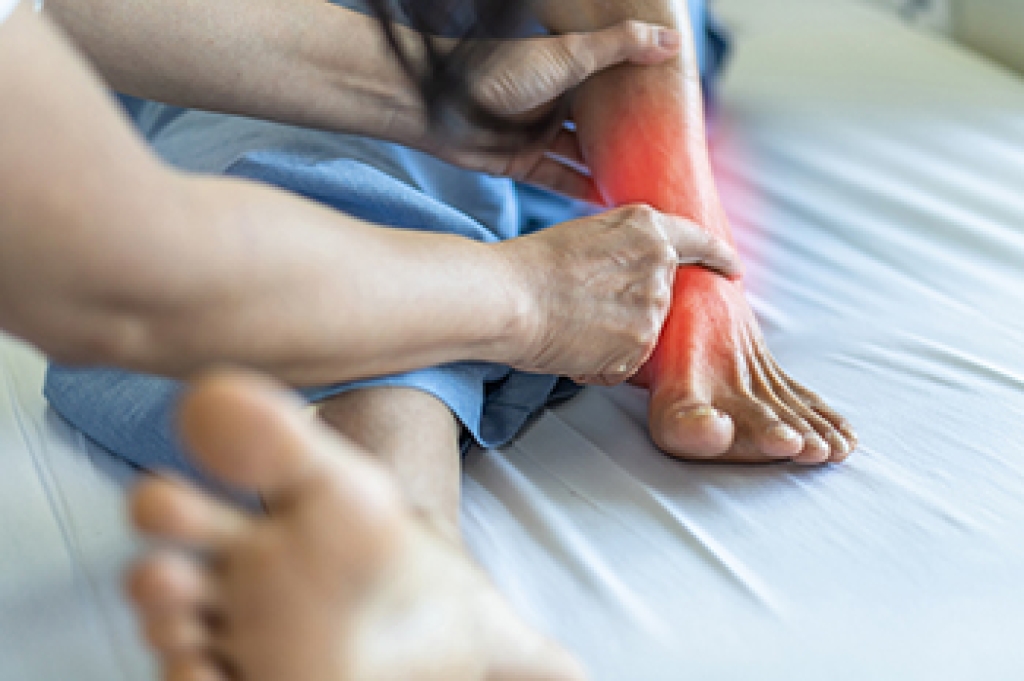
Anterior tibialis tendonitis occurs when the tendon that runs along the front of the ankle becomes irritated or inflamed from overuse or strain. This tendon connects the front of the shin to the top of the foot and is responsible for lifting the foot during walking. Repetitive running, jumping, or walking uphill can place excessive stress on this tendon. Wearing shoes that lack adequate support or are too tight can also increase tension in this area. People with flat feet, high arches, or muscle weakness in the lower leg are at higher risk of developing this condition. Symptoms include pain along the front of the ankle or top of the foot, swelling, and stiffness that worsens with movement. A podiatrist can help by examining the foot, ordering imaging, and recommending proper treatment. If you have pain in front of the ankle, it is suggested that you make an appointment with a podiatrist for a diagnosis and treatment.

Ankle pain can be caused by a number of problems and may be potentially serious. If you have ankle pain, consult with one of our podiatrists from Dr. Jeffrey J. Betman & Associates . Our doctors will assess your condition and provide you with quality foot and ankle treatment.

Ankle pain is any condition that causes pain in the ankle. Due to the fact that the ankle consists of tendons, muscles, bones, and ligaments, ankle pain can come from a number of different conditions.

Causes

The most common causes of ankle pain include:

  • Types of arthritis (rheumatoid, osteoarthritis, and gout)
  • Ankle sprains
  • Broken ankles
  • Achilles tendonitis
  • Achilles tendon rupture
  • Stress fractures
  • Bursitis
  • Tarsal tunnel syndrome
  • Plantar fasciitis

Symptoms

Symptoms of ankle injury vary based upon the condition. Pain may include general pain and discomfort, swelling, aching, redness, bruising, burning or stabbing sensations, and/or loss of sensation.

Diagnosis

Due to the wide variety of potential causes of ankle pain, podiatrists will utilize a number of different methods to properly diagnose ankle pain. This can include asking for personal and family medical histories and of any recent injuries. Further diagnosis may include sensation tests, a physical examination, and potentially x-rays or other imaging tests.

Treatment

Just as the range of causes varies widely, so do treatments. Some more common treatments are rest, ice packs, keeping pressure off the foot, orthotics and braces, medication for inflammation and pain, and surgery.

If you have any questions please feel free to contact our offices located in Northwest Chicago, Southwest Chicago, and Wicker Park, Chicago, IL . We offer the newest diagnostic tools and technology to treat your foot and ankle needs.
Read more about Various Causes of Ankle Pain

Understanding What Toenail Fungus Is

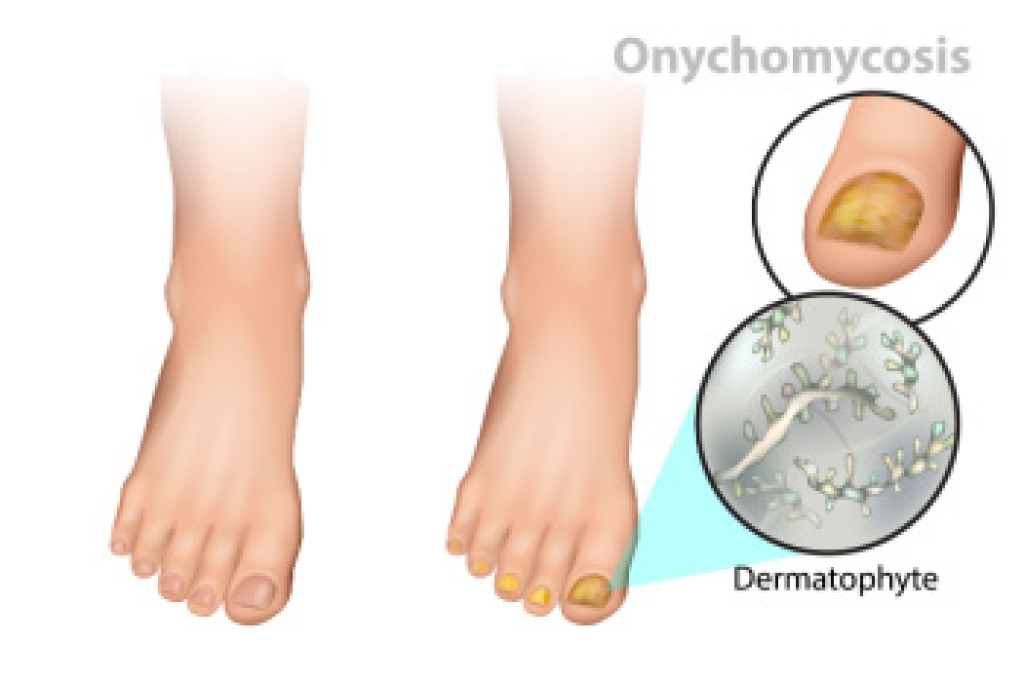
Toenail fungus is an infection that develops when fungi enter the nail through small cracks, causing changes in color, thickness, and texture. Risk factors include aging, excessive moisture, poor circulation, and a weakened immune system. Coexisting conditions such as diabetes and vascular disease increase vulnerability. Common symptoms include discoloration, crumbling edges, thick nails, and a foul odor. Causes often involve walking barefoot in damp public areas or wearing tight shoes that trap moisture. A podiatrist can diagnose the condition, provide advanced treatment options, and prevent the infection from spreading. If you have signs of toenail fungus, it is suggested that you schedule an appointment with a podiatrist who can offer effective treatment solutions that will restore healthy nails and protect your overall foot health.

If left untreated, toenail fungus may spread to other toenails, skin, or even fingernails. If you suspect you have toenail fungus it is important to seek treatment right away. For more information about treatment, contact one of our podiatrists of Dr. Jeffrey J. Betman & Associates . Our doctors can provide the care you need to keep you pain-free and on your feet.

Symptoms

  • Warped or oddly shaped nails
  • Yellowish nails
  • Loose/separated nail
  • Buildup of bits and pieces of nail fragments under the nail
  • Brittle, broken, thickened nail

Treatment

If self-care strategies and over-the-counter medications does not help your fungus, your podiatrist may give you a prescription drug instead. Even if you find relief from your toenail fungus symptoms, you may experience a repeat infection in the future.

Prevention

In order to prevent getting toenail fungus in the future, you should always make sure to wash your feet with soap and water. After washing, it is important to dry your feet thoroughly especially in between the toes. When trimming your toenails, be sure to trim straight across instead of in a rounded shape. It is crucial not to cover up discolored nails with nail polish because that will prevent your nail from being able to “breathe”.

In some cases, surgical procedure may be needed to remove the toenail fungus. Consult with your podiatrist about the best treatment options for your case of toenail fungus.  

If you have any questions please contact our offices located in Northwest Chicago, Southwest Chicago, and Wicker Park, Chicago, IL . We offer the newest diagnostic and treatment technologies for all your foot and ankle needs.

Read more about Toenail Fungus

Understanding Clubfoot and Its Effects

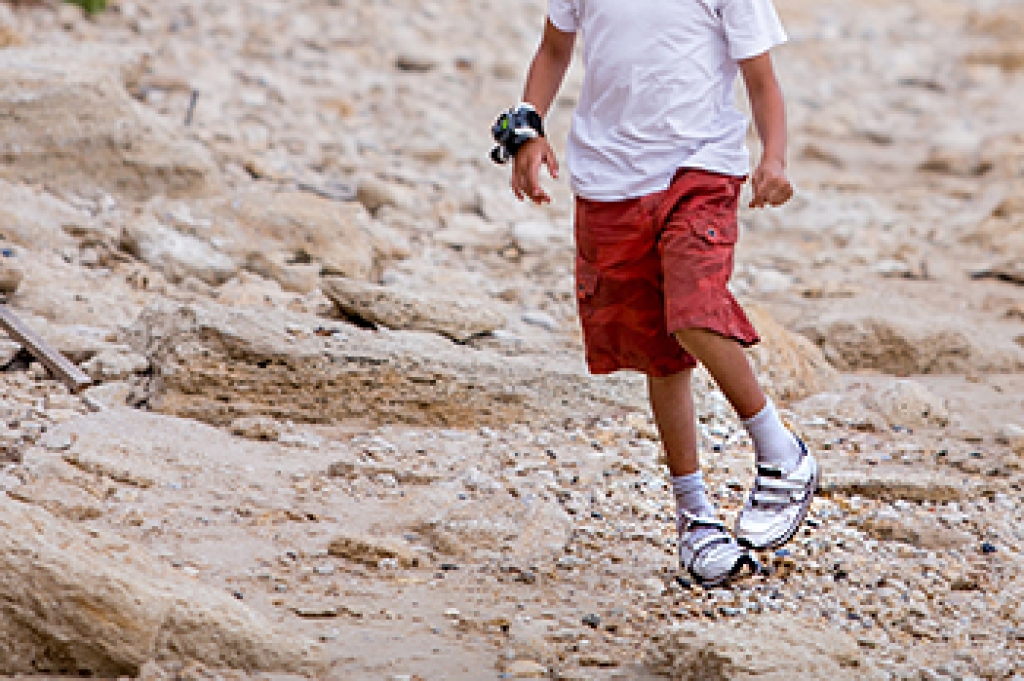
Clubfoot is a congenital condition in which a newborn’s foot is twisted out of its normal position, often turning inward or downward. The exact cause is not always known, but clubfoot may be related to genetic factors, abnormal fetal development, or limited space in the womb. Symptoms include a visibly misshapen foot, stiffness, and difficulty with normal movement as the child grows. Early diagnosis and treatment are essential for proper development. A podiatrist can help by guiding specialized care that may include stretching, casting, bracing, or monitoring long-term foot function. Early intervention leads to better outcomes and improved mobility. If your child has signs of clubfoot, it is strongly suggested that you include a podiatrist on your health care team to ensure healthy growth and support proper foot alignment.

Congenital foot problems require immediate attention to avoid future complications. If you have any concerns, contact one of our podiatrists of Dr. Jeffrey J. Betman & Associates . Our doctors can provide the care you need to keep you pain-free and on your feet.

Congenital foot problems are deformities affecting the feet, toes, and/or ankles that children are born with. Some of these conditions have a genetic cause while others just happen. Some specific foot ailments that children may be born with include clubfeet, polydactyly/macrodactyly, and cleft foot. There are several other foot anomalies that can occur congenitally. What all of these conditions have in common is that a child may experience difficulty walking or performing everyday activities, as well as trouble finding footwear that fits their foot deformity. Some of these conditions are more serious than others. Consulting with a podiatrist as early as possible will help in properly diagnosing a child’s foot condition while getting the necessary treatment underway.

What are Causes of Congenital Foot Problem?

A congenital foot problem is one that happens to a child at birth. These conditions can be caused by a genetic predisposition, developmental or positional abnormalities during gestation, or with no known cause.

What are Symptoms of Congenital Foot Problems?

Symptoms vary by the congenital condition. Symptoms may consist of the following:

  • Clubfoot, where tendons are shortened, bones are shaped differently, and the Achilles tendon is tight, causing the foot to point in and down. It is also possible for the soles of the feet to face each other.
  • Polydactyly, which usually consists of a nubbin or small lump of tissue without a bone, a toe that is partially formed but has no joints, or an extra toe.
  • Vertical talus, where the talus bone forms in the wrong position causing other bones in the foot to line up improperly, the front of the foot to point up, and the bottom of the foot to stiffen, with no arch, and to curve out.
  • Tarsal coalition, when there is an abnormal connection of two or more bones in the foot leading to severe, rigid flatfoot.
  • Cleft foot, where there are missing toes, a V-shaped cleft, and other anatomical differences.
  • Macrodactyly, when the toes are abnormally large due to overgrowth of the underlying bone or soft tissue.

Treatment and Prevention

While there is nothing one can do to prevent congenital foot problems, raising awareness and receiving neonatal screenings are important. Early detection by taking your child to a podiatrist leads to the best outcome possible.

If you have any questions, please feel free to contact our offices located in Northwest Chicago, Southwest Chicago, and Wicker Park, Chicago, IL . We offer the newest diagnostic and treatment technologies for all your foot care needs.

Read more about Congenital Foot Problems

Podiatric Help for Gout on the Rise

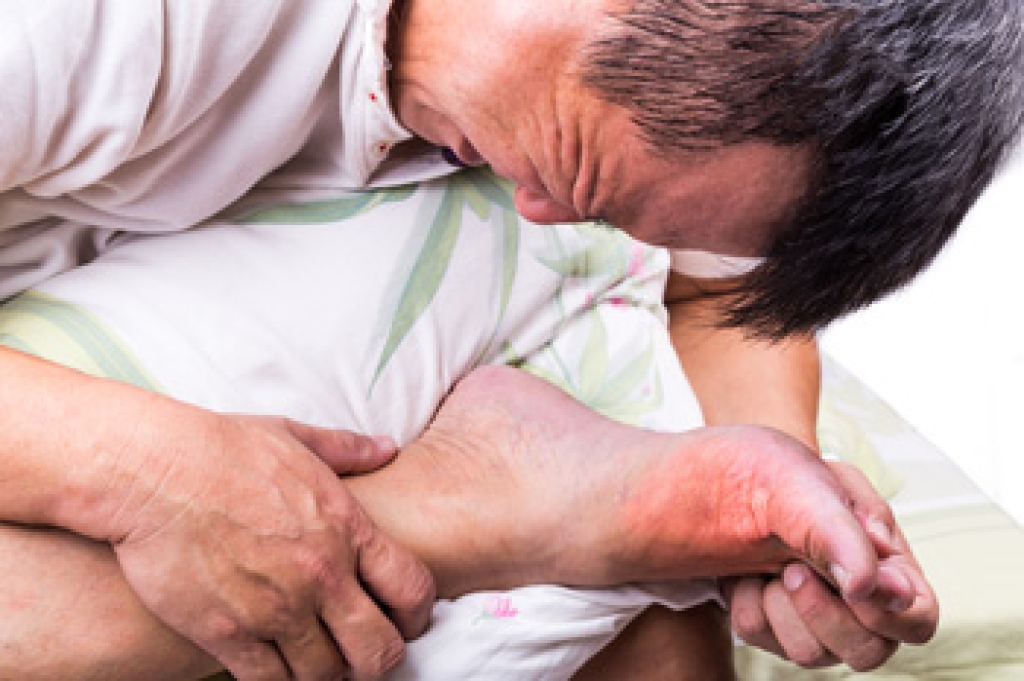
Gout, once known as a disease of indulgence, is becoming increasingly common as rates of obesity and high blood pressure climb. This painful condition occurs when uric acid builds up in the bloodstream, forming sharp crystals that settle in joints, most often the big toe. Sudden swelling, redness, and intense pain can make even a bed sheet feel unbearable. Excess weight and certain medications used for hypertension can raise uric acid levels, triggering more frequent attacks. A podiatrist can help identify gout through diagnostic testing, relieve pain during flare-ups, and create a personalized plan to prevent future episodes. This may include shoe recommendations, dietary guidance, and custom orthotics to ease pressure on sensitive joints. If you experience recurring pain in your toe or foot, it is suggested that you schedule a visit with a podiatrist for evaluation and management.

Gout is a painful condition that can be treated. If you are seeking treatment, contact one of our podiatrists from Dr. Jeffrey J. Betman & Associates . Our doctors will treat your foot and ankle needs.

What Is Gout?

Gout is a form of arthritis that is characterized by sudden, severe attacks of pain, redness, and tenderness in the joints. The condition usually affects the joint at the base of the big toe. A gout attack can occur at any random time, such as the middle of the night while you are asleep.

Symptoms

  • Intense Joint Pain - Usually around the large joint of your big toe, and it most severe within the first four to twelve hours
  • Lingering Discomfort - Joint discomfort may last from a few days to a few weeks
  • Inflammation and Redness -Affected joints may become swollen, tender, warm and red
  • Limited Range of Motion - May experience a decrease in joint mobility

Risk Factors

  • Genetics - If family members have gout, you’re more likely to have it
  • Medications - Diuretic medications can raise uric acid levels
  • Gender/Age - Gout is more common in men until the age of 60. It is believed that estrogen protects women until that point
  • Diet - Eating red meat and shellfish increases your risk
  • Alcohol - Having more than two alcoholic drinks per day increases your risk
  • Obesity - Obese people are at a higher risk for gout

Prior to visiting your podiatrist to receive treatment for gout, there are a few things you should do beforehand. If you have gout you should write down your symptoms--including when they started and how often you experience them, important medical information you may have, and any questions you may have. Writing down these three things will help your podiatrist in assessing your specific situation so that he or she may provide the best route of treatment for you.

If you have any questions, please feel free to contact our offices located in Northwest Chicago, Southwest Chicago, and Wicker Park, Chicago, IL . We offer the newest diagnostic and treatment technologies for all your foot care needs.

Read more about Everything You Need to Know About Gout

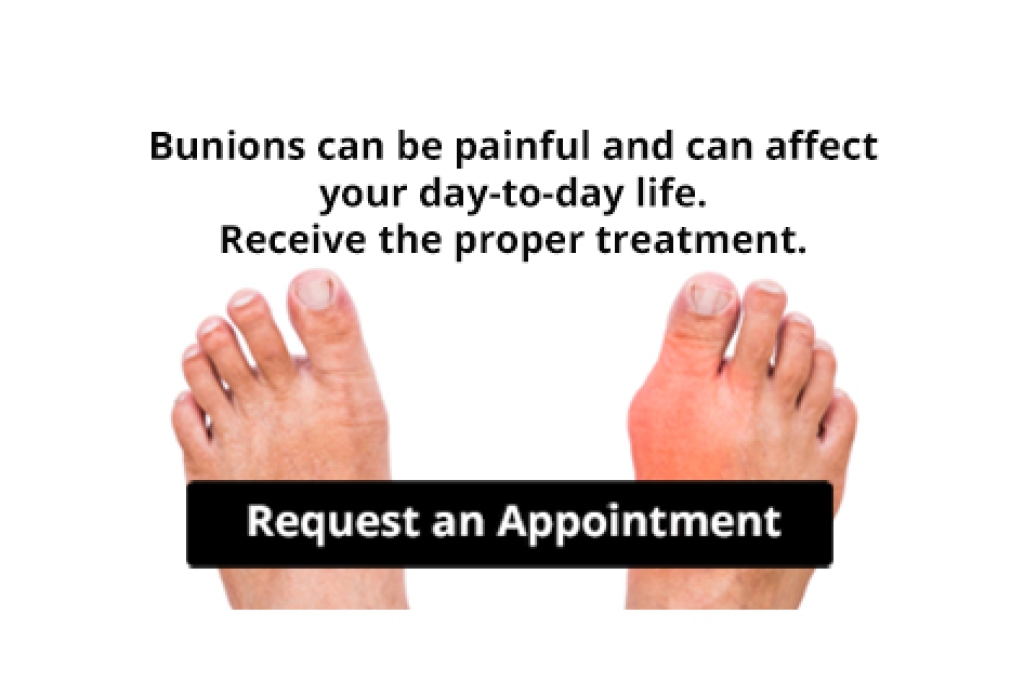
Are Bunions Affecting Your Everyday Life?

Have you noticed a bony protrusion on the side of your big toe? If so, you may have developed the foot condition known as a bunion. Don't let bunions interfere with your daily activities.

Treatment for Achilles Tendinopathy

Achilles tendinopathy develops when the tendon that connects the calf muscles to the heel becomes inflamed or weakened from overuse, tight calf muscles, or wearing improper footwear. Pain often begins as stiffness in the back of the ankle, especially after activity, and can progress to swelling or tenderness that limits movement. Treatment aims to reduce strain, restore flexibility, and promote healing. Resting from high-impact exercise and wearing supportive shoes with cushioned heels can help relieve discomfort. A podiatrist may suggest stretching and strengthening exercises or custom orthotics to improve tendon resilience. In more persistent cases, advanced treatments may be considered. If you have recurring heel or calf pain that worsens with activity, it is suggested that you schedule a visit with a podiatrist for proper diagnosis and personalized care.

Achilles tendon injuries need immediate attention to avoid future complications. If you have any concerns, contact one of our podiatrists of Dr. Jeffrey J. Betman & Associates . Our doctors can provide the care you need to keep you pain-free and on your feet.

What Is the Achilles Tendon?

The Achilles tendon is a tendon that connects the lower leg muscles and calf to the heel of the foot. It is the strongest tendon in the human body and is essential for making movement possible. Because this tendon is such an integral part of the body, any injuries to it can create immense difficulties and should immediately be presented to a doctor.

What Are the Symptoms of an Achilles Tendon Injury?

There are various types of injuries that can affect the Achilles tendon. The two most common injuries are Achilles tendinitis and ruptures of the tendon.

Achilles Tendinitis Symptoms

  • Inflammation
  • Dull to severe pain
  • Increased blood flow to the tendon
  • Thickening of the tendon

Rupture Symptoms

  • Extreme pain and swelling in the foot
  • Total immobility

Treatment and Prevention

Achilles tendon injuries are diagnosed by a thorough physical evaluation, which can include an MRI. Treatment involves rest, physical therapy, and in some cases, surgery. However, various preventative measures can be taken to avoid these injuries, such as:

  • Thorough stretching of the tendon before and after exercise
  • Strengthening exercises like calf raises, squats, leg curls, leg extensions, leg raises, lunges, and leg presses

If you have any questions please feel free to contact our offices located in Northwest Chicago, Southwest Chicago, and Wicker Park, Chicago, IL . We offer the newest diagnostic tools and technology to treat your foot and ankle needs.
Read more about The Causes, Types, and Treatments of Achilles Tendon Injuries

The Story Your Feet Tell With Time

As we age, our feet reflect a lifetime of movement and wear. The skin becomes thinner, joints stiffen, and circulation often slows, making older adults more vulnerable to discomfort and injury. Common issues include bunions, hammertoes, thickened nails, calluses, and balance problems caused by arthritis or neuropathy. These conditions can make walking painful and increase the risk of falls or infections. Fortunately, many of these challenges can be managed effectively through professional podiatric care. A podiatrist can trim thick nails safely, treat painful deformities, provide cushioning or orthotic support, and monitor for underlying vascular or nerve changes. Early evaluation and routine visits help maintain mobility and independence by keeping the feet healthy and comfortable. If you or an elderly loved one notice pain, swelling, or changes in foot shape, it is suggested that you schedule an appointment with a podiatrist for personalized care and appropriate treatment.

If you need your feet checked, contact one of our podiatrists of Dr. Jeffrey J. Betman & Associates . Our doctors will attend to all of your foot and ankle needs and provide you with quality treatment.

Geriatrics and Podiatry
When people age, some common issues that may occur are bone density loss, dry skin, poor circulation, and rough brittle nails. These issues may also affect your foot health if the necessary steps are not taken to alleviate the problems.

It is important to take care of your feet because feet that are injured or diseased can affect your overall health. Having painful feet hinders your ability to do daily activities or may decrease your willingness to do the things that you need to do.

Visiting Your Geriatrician
As we age, health problems become more likely, so it is essential to visit your doctor for check-ups to ensure that you are doing the best you can to take care of your health. It is recommended to check your feet frequently for any possible cuts, bruises, swelling, corns or any other irregularities. 

Taking Care of Elderly Feet
Cracked or dry feet can be treated by applying moisturizer often. It is also important not to wear old socks because the older the sock is, the higher the possibility there will be that there is bacteria there. Wear fresh socks and make sure they fit properly.

Proper foot health means that you can have a more active lifestyle and you will not be bogged down by pain. Foot health also leads to good circulation, which is paramount for overall health.

If you have any questions, please feel free to contact our offices located in Northwest Chicago, Southwest Chicago, and Wicker Park, Chicago, IL . We offer the newest diagnostic and treatment technologies for all your foot care needs.

Read more about Geriatrics and Podiatry

Plantar Fibroma and Surgical Treatment Options

A plantar fibroma is a firm, noncancerous growth that forms within the plantar fascia, the thick band of tissue along the bottom of the foot. It can cause pain, discomfort, and difficulty walking, especially when pressure is applied. When conservative treatments fail, surgery may be recommended to remove the fibroma and relieve tension on the surrounding tissue. The procedure involves making an incision in the sole of the foot to carefully remove the fibrous mass while preserving healthy structures. A podiatrist can evaluate the condition, recommend appropriate treatment, and guide recovery after surgery. If you have a plantar fibroma, it is suggested that you consult a podiatrist who can discuss treatment options with you, which may include surgery for permanent removal.

Foot surgery is sometimes necessary to treat a foot ailment. To learn more, contact one of our podiatrists of Dr. Jeffrey J. Betman & Associates . Our doctors will assist you with all of your foot and ankle needs.

When Is Surgery Necessary?

Foot and ankle surgery is generally reserved for cases in which less invasive, conservative procedures have failed to alleviate the problem. Some of the cases in which surgery may be necessary include:

  • Removing foot deformities like bunions and bone spurs
  • Severe arthritis that has caused bone issues
  • Cosmetic reconstruction

What Types of Surgery Are There?

The type of surgery you receive will depend on the nature of the problem you have. Some of the possible surgeries include:

  • Bunionectomy for painful bunions
  • Surgical fusion for realignment of bones
  • Neuropathy decompression surgery to treat nerve damage

Benefits of Surgery

Although surgery is usually a last resort, it can provide more complete pain relief compared to non-surgical methods and may allow you to finally resume full activity.

Surgical techniques have also become increasingly sophisticated. Techniques like endoscopic surgery allow for smaller incisions and faster recovery times.

If you have any questions, please feel free to contact our offices located in Northwest Chicago, Southwest Chicago, and Wicker Park, Chicago, IL . We offer the newest diagnostic and treatment technologies for all your foot care needs.

Read more about Foot Surgery

Stretching Can Prevent Ankle Pain While Running

Ankle pain while running can affect performance and increase the risk of injury, if not properly addressed. Choosing the right running shoes with good support and cushioning can help reduce stress on the joints. Learning proper running techniques, such as landing softly and maintaining good posture, helps prevent unnecessary strain. Additionally, stretching before and after running improves flexibility and reduces tightness in the muscles and tendons surrounding the ankle. A podiatrist can evaluate your foot structure, gait, and footwear to identify the source of pain and create a personalized treatment or prevention plan. If you have ankle pain and enjoy running, it is suggested that you schedule an appointment with a podiatrist who can treat various foot and ankle conditions, enabling you to return to running comfortably and safely.

Exercising your feet regularly with the proper foot wear is a great way to prevent injuries. If you have any concerns about your feet, contact one of our podiatrists of Dr. Jeffrey J. Betman & Associates . Our doctors will treat your foot and ankle needs.

How to Prevent Running Injuries

Many common running injuries are caused by overuse and overtraining. When the back of the kneecap starts wearing out and starts causing pain in your knee, this is commonly referred to as runner’s knee. Runner’s knee is a decrease in strength in your quadriceps and can occur if you’re not wearing properly fitted or supporting shoes. To prevent runner’s knee, focusing on hip strengthening is a good idea, as well as strengthening your quads to keep the kneecaps aligned.

What Are Some Causes of Running Injuries? 
- One cause of a common running injury is called iliotibial band syndrome.
- Plantar fasciitis is also another common injury.
- Stress fractures can occur from overtraining, lack of calcium, or even your running style.

Best Ways to Prevent Running Injuries
- Wear footwear that fits properly and suits your running needs.
- Running shoes are the only protective gear that runners have to safeguard them from injury.
- Make a training schedule. Adding strengthening exercises as well as regular stretching can help keep you strong and limber and can lessen the possibility of injuries.
- Stretching keeps muscles limber; this will help you gain better flexibility.

If you have any questions, please feel free to contact our offices located in Northwest Chicago, Southwest Chicago, and Wicker Park, Chicago, IL . We offer the newest diagnostic and treatment technologies for all your foot care needs.

Read more about How to Prevent Running Injuries

Toe Arthritis and How It Affects You

When arthritis develops in the toes, the joints can become swollen, achy and less flexible, making everyday movement harder. The condition happens as the smooth cushioning inside the joint wears down, which allows the bones to grind together. This can create discomfort, stiffness, and sometimes visible changes in the way the toes look or bend. Many people find it painful to walk long distances, stand for extended periods of time, or wear certain shoes. Age, past injuries, and inherited traits can all increase the likelihood of arthritis in the toes. While it cannot be cured, there are effective ways to manage it. Wearing supportive footwear, custom orthotics, targeted stretching exercises, anti-inflammatory treatments, and, in some cases, surgery may ease symptoms and improve mobility. If toe pain is limiting your comfort or activity, it is recommended that you visit a podiatrist for a personalized treatment plan.

Arthritis can be a difficult condition to live with. If you are seeking treatment, contact one of our podiatrists from Dr. Jeffrey J. Betman & Associates . Our doctors can provide the care you need to keep you pain-free and on your feet.

Arthritic Foot Care  

Arthritis is a joint disorder that involves the inflammation of different joints in your body, such as those in your feet. Arthritis is often caused by a degenerative joint disease and causes mild to severe pain in all affected areas. In addition to this, swelling and stiffness in the affected joints can also be a common symptom of arthritis.

In many cases, wearing ill-fitting shoes can worsen the effects and pain of arthritis. Wearing shoes that have a lower heel and extra room can help your feet feel more comfortable. In cases of rheumatoid arthritis, the arch in your foot may become problematic. Buying shoes with proper arch support that contour to your feet can help immensely.

Alleviating Arthritic Pain

  • Exercises that stretch the foot can prevent further pain and injury and increase mobility
  • Most of the pain can be alleviated with anti-inflammatory drugs, heat, and topical medications
  • Massages can help temporarily alleviate pain.

It is best to see your doctor for the treatment that is right for your needs and symptoms. Conditions vary, and a podiatrist can help you determine the right method of care for your feet.

If you have any questions please feel free to contact our offices located in Northwest Chicago, Southwest Chicago, and Wicker Park, Chicago, IL . We offer the newest diagnostic tools and technology to treat your foot and ankle needs.
Read more about Arthritic Foot Care

Connect With Us