
Gout is a painful, inflammatory form of arthritis. Those affected will typically feel an intense stiffness in the joints of their feet, particularly in the big toe. Schedule a visit to learn about how gout can be managed and treated.
Gout is a painful, inflammatory form of arthritis. Those affected will typically feel an intense stiffness in the joints of their feet, particularly in the big toe. Schedule a visit to learn about how gout can be managed and treated.
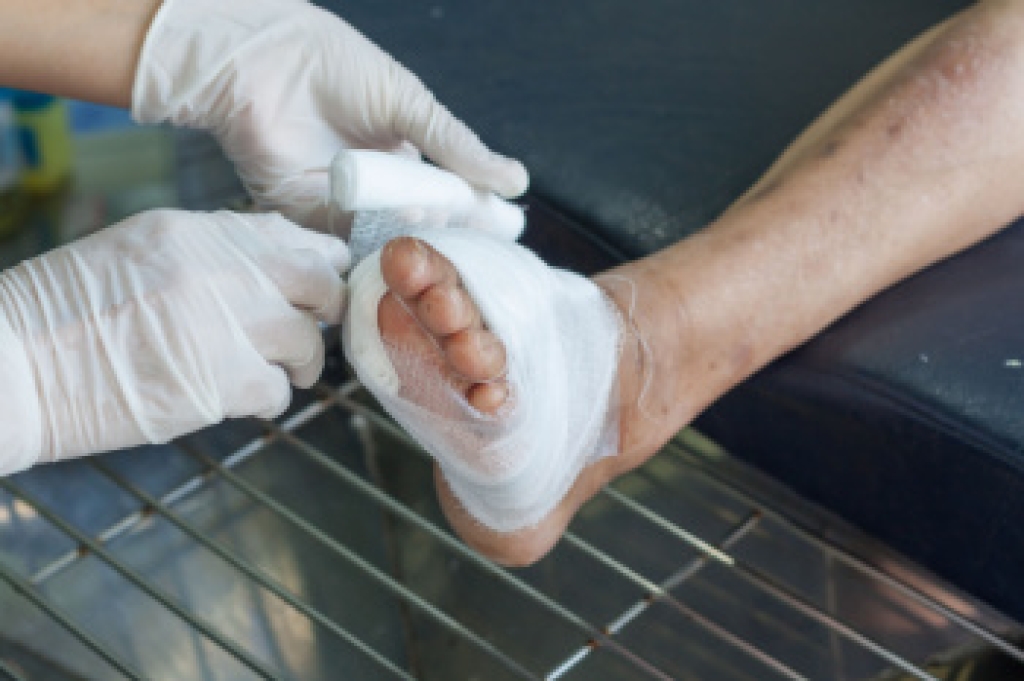
Proper diabetic foot care is essential for preventing serious complications, such as infections, foot ulcers, and even limb loss. Diabetes can cause poor circulation and nerve damage, making it harder to feel injuries and allowing them to worsen unnoticed. Daily foot inspections, proper hygiene, moisturizing, and wearing protective footwear are vital steps to maintain health. A podiatrist plays a key role by monitoring foot health, treating wounds, and recommending specialized footwear or orthotics to prevent pressure points. Regular checkups help detect issues early and protect long term-mobility. If you have diabetes, it is strongly suggested that you are under the care of a podiatrist who can guide you toward proactive strategies, helping you to manage this serious condition.
Diabetic foot care is important in preventing foot ailments such as ulcers. If you are suffering from diabetes or have any other concerns about your feet, contact one of our podiatrists from Dr. Jeffrey J. Betman & Associates . Our doctors can provide the care you need to keep you pain-free and on your feet.
Diabetic Foot Care
Diabetes affects millions of people every year. The condition can damage blood vessels in many parts of the body, especially the feet. Because of this, taking care of your feet is essential if you have diabetes, and having a podiatrist help monitor your foot health is highly recommended.
The Importance of Caring for Your Feet
Patients with diabetes should have their doctor monitor their blood levels, as blood sugar levels play such a huge role in diabetic care. Monitoring these levels on a regular basis is highly advised.
It is always best to inform your healthcare professional of any concerns you may have regarding your feet, especially for diabetic patients. Early treatment and routine foot examinations are keys to maintaining proper health, especially because severe complications can arise if proper treatment is not applied.
If you have any questions, please feel free to contact our offices located in Northwest Chicago, Southwest Chicago, and Wicker Park, Chicago, IL . We offer the newest diagnostic and treatment technologies for all your foot care needs.
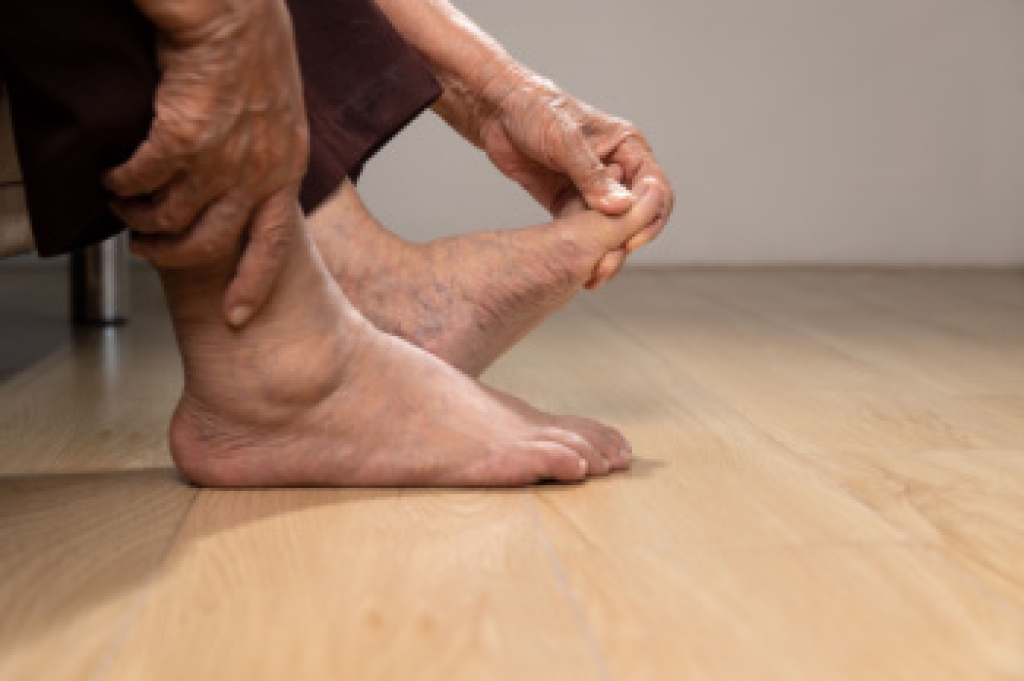
Gout is a form of inflammatory arthritis caused by a buildup of uric acid crystals in the joints, often affecting the big toe. It may appear suddenly, causing intense pain, swelling, redness, and warmth in the affected area. The skin may look shiny and feel extremely tender, making even the touch of a sheet unbearable. Common causes include a diet high in purines, obesity, certain medications, and genetic factors. Gout attacks can last for days or weeks and may recur if not properly managed. A podiatrist can diagnose gout through physical examination, review of medical history, and tests such as joint fluid analysis or blood work. Treatment options include anti-inflammatory medications, corticosteroid injections, dietary guidance, and long-term management strategies to reduce uric acid levels. Preventive care and lifestyle changes are essential to avoid future flare-ups. A podiatrist can also help rule out other conditions with similar symptoms. It is suggested that you make an appointment with a podiatrist for accurate diagnosis and care.
Gout is a foot condition that requires certain treatment and care. If you are seeking treatment, contact one of our podiatrists from Dr. Jeffrey J. Betman & Associates . Our doctors will treat your foot and ankle needs.
What Is Gout?
Gout is a type of arthritis caused by a buildup of uric acid in the bloodstream. It often develops in the foot, especially the big toe area, although it can manifest in other parts of the body as well. Gout can make walking and standing very painful and is especially common in diabetics and the obese.
People typically get gout because of a poor diet. Genetic predisposition is also a factor. The children of parents who have had gout frequently have a chance of developing it themselves.
Gout can easily be identified by redness and inflammation of the big toe and the surrounding areas of the foot. Other symptoms include extreme fatigue, joint pain, and running high fevers. Sometimes corticosteroid drugs can be prescribed to treat gout, but the best way to combat this disease is to get more exercise and eat a better diet.
If you have any questions, please feel free to contact our offices located in Northwest Chicago, Southwest Chicago, and Wicker Park, Chicago, IL . We offer the newest diagnostic and treatment technologies for all your foot care needs.
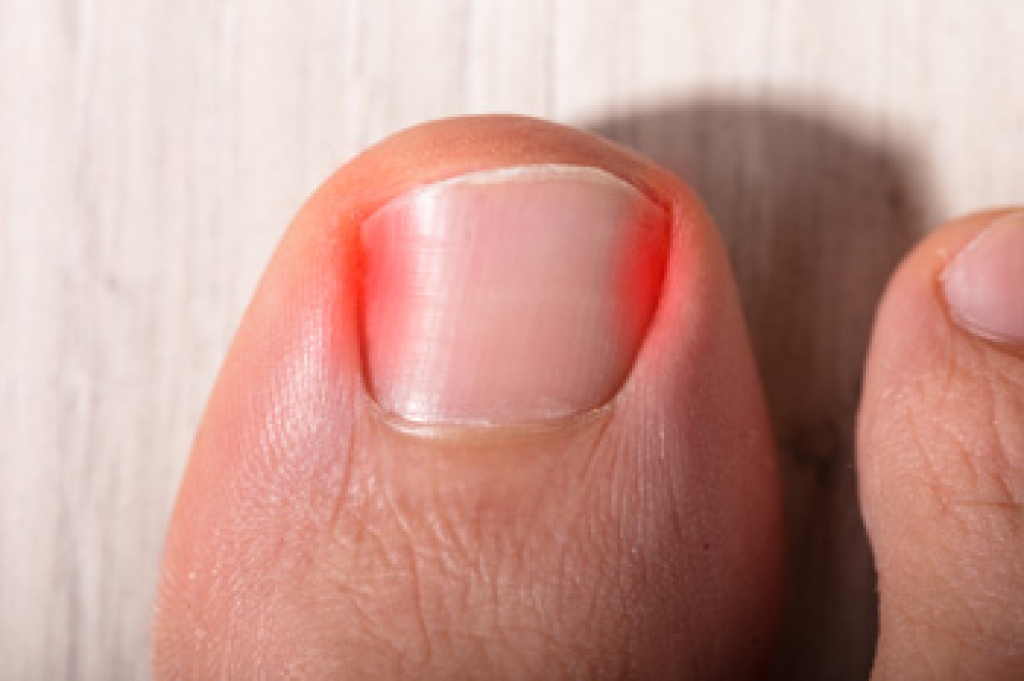 An ingrown toenail is a condition in which the sides or corners of a toenail dig into the surrounding skin. Ingrown toenails are classified into three stages based on their severity. In stage 1, the end of the toe becomes reddened and mildly swollen. The affected toe can feel warm and painful to the touch, but has no pus or drainage. In stage 2, the toe becomes increasingly red, swollen, and painful, with yellow or white pus draining from the area. An infection may develop. In stage 3, the redness and swelling increase even more, and a mass of new tissue can grow around the nail, adding even more swelling and more pus. At this stage, infections may be more severe and can be accompanied by a fever. If you have a painful or infected ingrown toenail, it is strongly recommended that you visit a podiatrist for treatment.
Ingrown toenails can become painful if they are not treated properly. For more information about ingrown toenails, contact one of our podiatrists of Dr. Jeffrey J. Betman & Associates . Our doctors can provide the care you need to keep you pain-free and on your feet.
Ingrown Toenails
Ingrown toenails occur when a toenail grows sideways into the bed of the nail, causing pain, swelling, and possibly infection.
Causes
Prevention
Because ingrown toenails are not something found outside of shoe-wearing cultures, going barefoot as often as possible will decrease the likeliness of developing ingrown toenails. Wearing proper fitting shoes and using proper cutting techniques will also help decrease your risk of developing ingrown toenails.
Treatment
Ingrown toenails are a very treatable foot condition. In minor cases, soaking the affected area in salt or antibacterial soaps will not only help with the ingrown nail itself, but also help prevent any infections from occurring. In more severe cases, surgery is an option. In either case, speaking to your podiatrist about this condition will help you get a better understanding of specific treatment options that are right for you.
If you have any questions, please feel free to contact our offices located in Northwest Chicago, Southwest Chicago, and Wicker Park, Chicago, IL . We offer the newest diagnostic and treatment technologies for all your foot care needs.
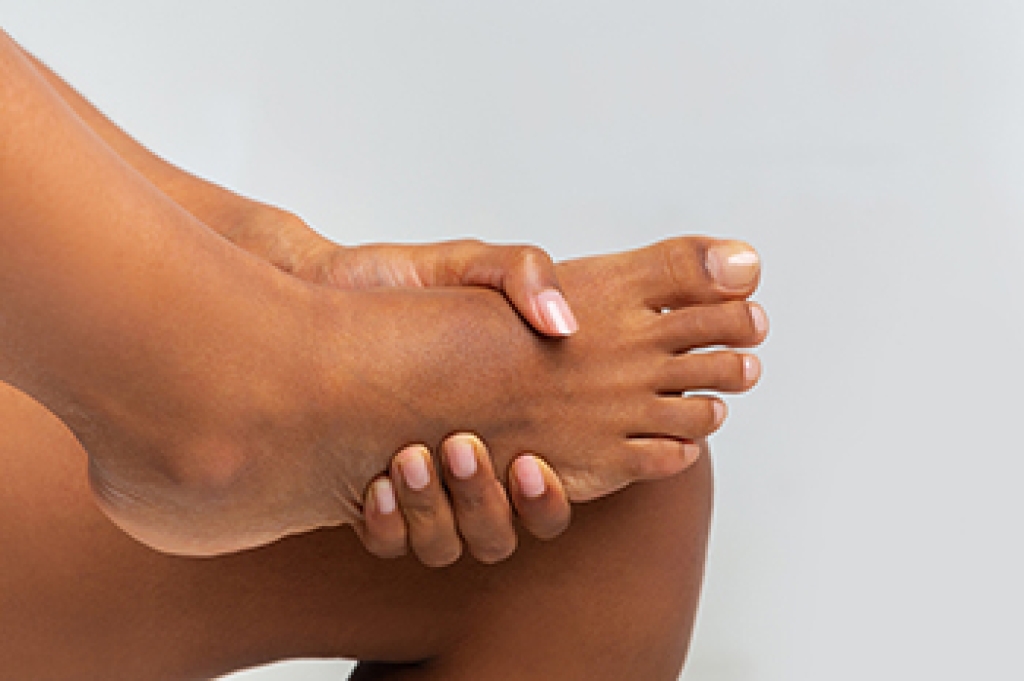
Symptoms of tendonitis in the foot often begin with sharp, burning, or aching pain along the affected tendon, especially during movement. Swelling can develop over time, sometimes forming into a tender lump along the tendon. Stiffness in the foot or ankle may limit motion and make walking, climbing stairs, or standing on tiptoes uncomfortable. Discomfort is usually worse with activity and may temporarily ease with rest, only to return when weight is placed back on the foot. Causes of tendonitis in the foot include repetitive strain from activities that overwork the tendons, direct injuries such as an ankle sprain, or friction from shoes that rub against the tendon. Abnormal foot structure, like flat feet or high arches, can also place uneven stress on tendons, increasing the risk of inflammation. A podiatrist can identify which tendon is affected, provide guidance on proper support, and recommend treatment that may include surgery, if necessary. If you are experiencing symptoms of tendonitis in the feet, it is suggested that you schedule an appointment with a podiatrist for an evaluation and appropriate treatment.
Foot Pain
Foot pain can be extremely painful and debilitating. If you have a foot pain, consult with one of our podiatrists from Dr. Jeffrey J. Betman & Associates . Our doctors will assess your condition and provide you with quality foot and ankle treatment.
Causes
Foot pain is a very broad condition that could be caused by one or more ailments. The most common include:
Diagnosis
To figure out the cause of foot pain, podiatrists utilize several different methods. This can range from simple visual inspections and sensation tests to X-rays and MRI scans. Prior medical history, family medical history, and any recent physical traumatic events will all be taken into consideration for a proper diagnosis.
Treatment
Treatment depends upon the cause of the foot pain. Whether it is resting, staying off the foot, or having surgery; podiatrists have a number of treatment options available for foot pain.
If you have any questions, please feel free to contact our offices located in Northwest Chicago, Southwest Chicago, and Wicker Park, Chicago, IL . We offer the newest diagnostic and treatment technologies for all your foot care needs.
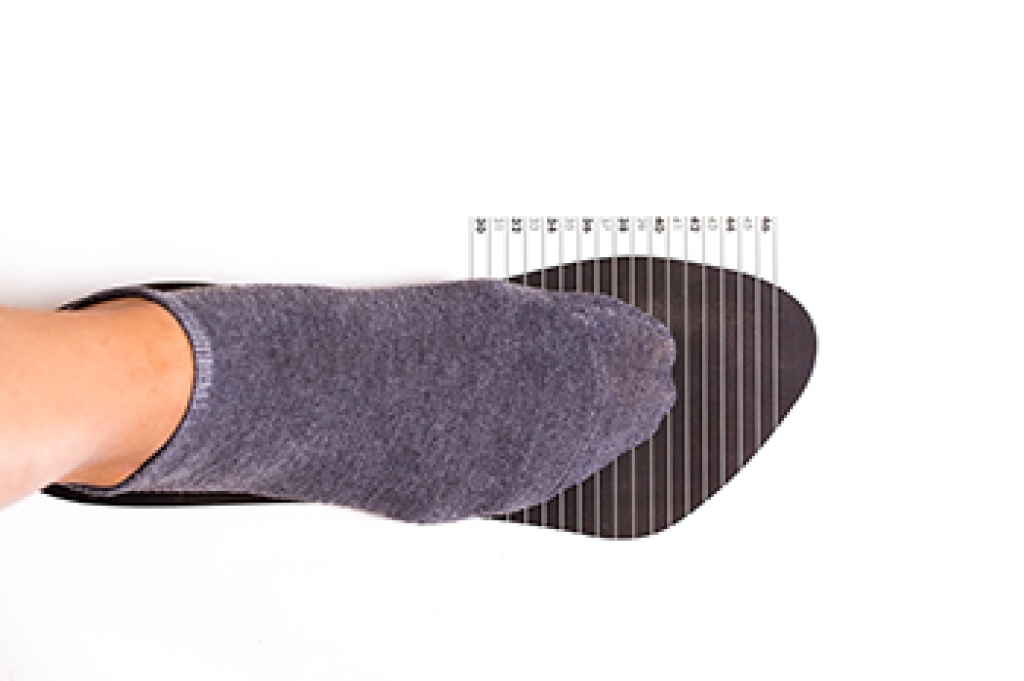
Wearing shoes that fit correctly is essential for comfort and long-term foot health. To measure your foot, place it on a flat surface and use a ruler or measuring tape from the heel to the longest toe, then compare with a shoe size chart. Be sure to measure both feet since one is often slightly larger. Shoes that are too small or too large can cause issues such as blisters, bunions, hammertoes, corns, and even chronic foot pain. A podiatrist can evaluate your foot structure, recommend proper footwear, and address any damage caused by ill-fitting shoes. If you have foot pain from wearing shoes that do not fit correctly, it is suggested that you consult a podiatrist who can treat various foot conditions, and guide you on how to choose shoes that fit properly.
Finding a properly-fitting shoe is important in reducing injuries and preventing foot problems. For more information about treatment, contact one of our podiatrists from Dr. Jeffrey J. Betman & Associates . Our doctors will treat your foot and ankle needs.
Proper Shoe Fitting
A common concern when it comes to foot health, having properly fitted shoes can help prevent injuries to the foot. Out feet affect our posture and gait, which in turn affects the biomechanics and overall bodily structure. With 33 joints, 26 bones, and over 100 ligaments, the potential for serious injury is much greater than one realizes. Although the feet cease growth in adulthood, they still change shape as they mature. Here are some factors to consider when it comes to investing in proper fitting shoes:
Keeping in mind how shoes fit the biomechanics of your body, properly-fitting shoes are vitally important. Fortunately, it is not difficult to acquire footwear that fits correctly. Be sure to wear shoes that support the overall structure of your body. Do your feet a favor and invest in several pairs of well-fitted shoes today.
If you have any questions, please feel free to contact our offices located in Northwest Chicago, Southwest Chicago, and Wicker Park, Chicago, IL . We offer the newest diagnostic and treatment technologies for all your foot care needs.
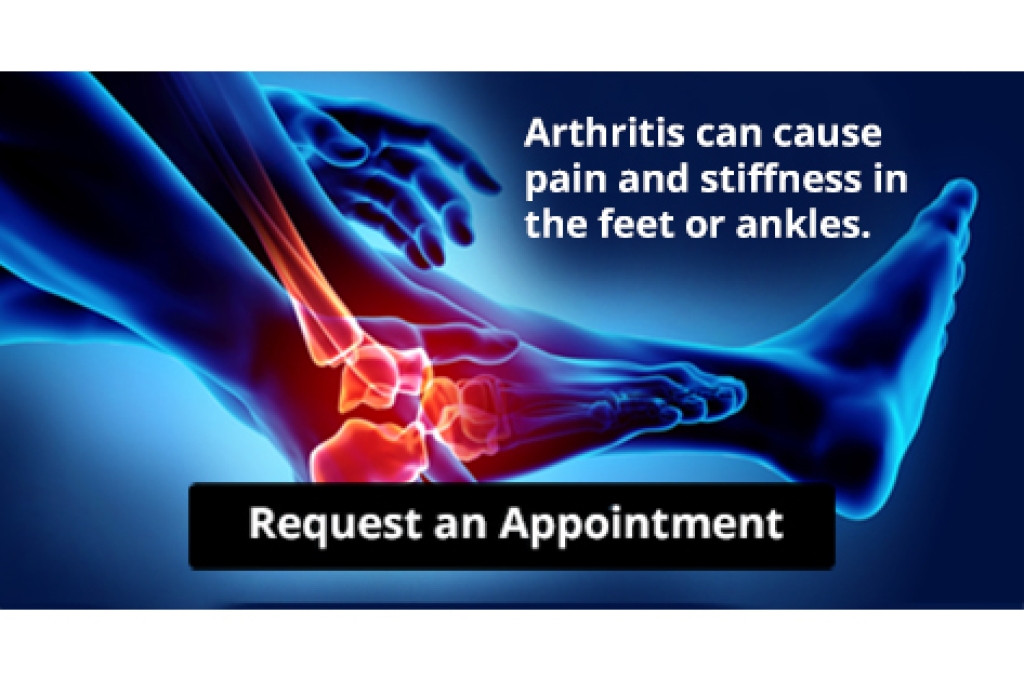
If you are suffering from tenderness, pain, or stiffness in the joints of your feet or ankles, call us to schedule an appointment.

Drop foot, often called foot drop, is a condition where the foot cannot properly lift at the ankle, making it difficult to clear the ground while walking. This problem arises when the muscles at the front of the leg that control ankle motion become weak or lose function, or when the nerve supplying those muscles is damaged. People with drop foot may develop a high-stepping gait to avoid tripping, and without proper care, the ankle can stiffen into a downward pointing position. A podiatrist can evaluate the severity and underlying cause, and provide treatment to help restore mobility and function. Options include the use of an ankle-foot brace to keep the foot in a neutral position or surgery, such as tendon transfer or nerve repair, if the weakness is permanent. These treatments are designed to improve stability, walking ability, and reduce the risk of falls. If you have trouble lifting your feet when walking, it is suggested that you make an appointment with a podiatrist for treatment options.
If you have any concerns about your feet, contact one of our podiatrists from Dr. Jeffrey J. Betman & Associates . Our doctors can provide the care you need to keep you pain-free and on your feet.
Biomechanics in Podiatry
Podiatric biomechanics is a particular sector of specialty podiatry with licensed practitioners who are trained to diagnose and treat conditions affecting the foot, ankle and lower leg. Biomechanics deals with the forces that act against the body, causing an interference with the biological structures. It focuses on the movement of the ankle, the foot and the forces that interact with them.
A History of Biomechanics
Modern technological improvements are based on past theories and therapeutic processes that provide a better understanding of podiatric concepts for biomechanics. Computers can provide accurate information about the forces and patterns of the feet and lower legs.
Understanding biomechanics of the feet can help improve and eliminate pain, stopping further stress to the foot.
If you have any questions please feel free to contact our offices located in Northwest Chicago, Southwest Chicago, and Wicker Park, Chicago, IL . We offer the newest diagnostic and treatment technologies for all your foot and ankle needs.

When the common peroneal nerve is injured, it can disrupt the way the foot and leg move or feel. This nerve runs along the outer side of the knee and down the leg, carrying signals that control certain muscles and sensations. Damage can occur from trauma, prolonged pressure, or underlying health issues. People may notice weakness when lifting the foot, numbness, or a tingling sensation along the shin and top of the foot. In some cases, walking becomes difficult due to a condition often called foot drop. Early diagnosis and treatment can help prevent long term complications. Management may include targeted exercises, bracing, or addressing the cause of the nerve injury. Paying attention to persistent changes in strength or sensation is important. If these symptoms develop, it is suggested that you see a podiatrist for evaluation and appropriate treatment.
Neuropathy
Neuropathy can be a potentially serious condition, especially if it is left undiagnosed. If you have any concerns that you may be experiencing nerve loss in your feet, consult with one of our podiatrists from Dr. Jeffrey J. Betman & Associates . Our doctors will assess your condition and provide you with quality foot and ankle treatment for neuropathy.
What Is Neuropathy?
Neuropathy is a condition that leads to damage to the nerves in the body. Peripheral neuropathy, or neuropathy that affects your peripheral nervous system, usually occurs in the feet. Neuropathy can be triggered by a number of different causes. Such causes include diabetes, infections, cancers, disorders, and toxic substances.
Symptoms of Neuropathy Include:
Those with diabetes are at serious risk due to being unable to feel an ulcer on their feet. Diabetics usually also suffer from poor blood circulation. This can lead to the wound not healing, infections occurring, and the limb may have to be amputated.
Treatment
To treat neuropathy in the foot, podiatrists will first diagnose the cause of the neuropathy. Figuring out the underlying cause of the neuropathy will allow the podiatrist to prescribe the best treatment, whether it be caused by diabetes, toxic substance exposure, infection, etc. If the nerve has not died, then it’s possible that sensation may be able to return to the foot.
Pain medication may be issued for pain. Electrical nerve stimulation can be used to stimulate nerves. If the neuropathy is caused from pressure on the nerves, then surgery may be necessary.
If you have any questions, please feel free to contact our offices located in Northwest Chicago, Southwest Chicago, and Wicker Park, Chicago, IL . We offer the newest diagnostic and treatment technologies for all your foot care needs.
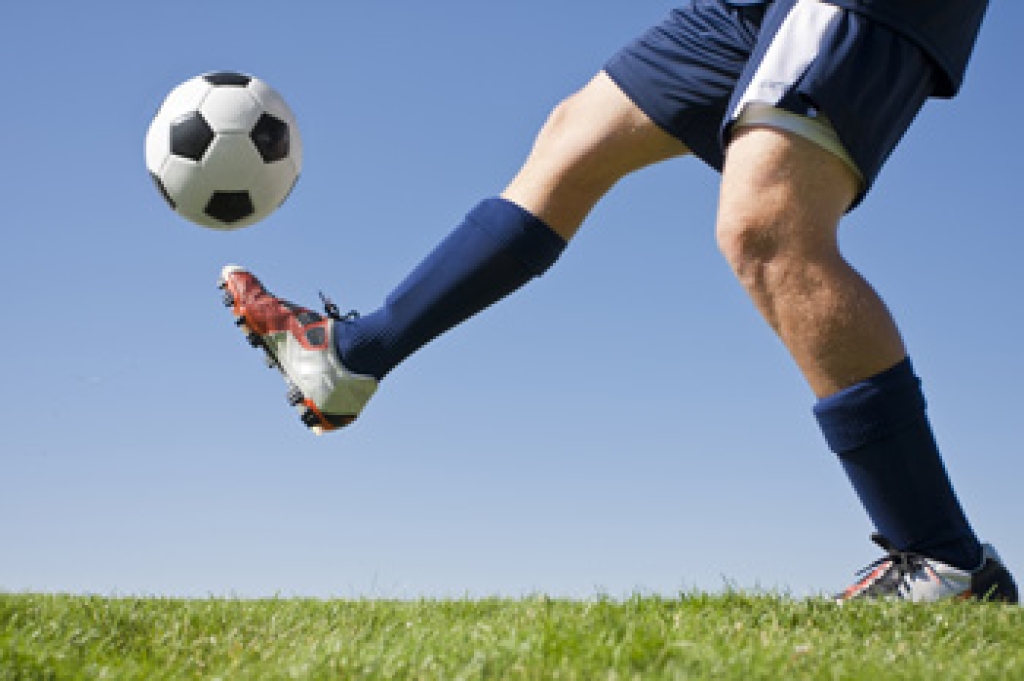
Soccer places significant demands on the feet and ankles, making certain injuries more frequent among players. Ankle sprains are common when the foot twists or rolls during quick changes in direction, often leading to swelling and difficulty in bearing weight. Plantar fasciitis can develop from overuse, with heel pain that worsens after activity or first thing in the morning. Stress fractures may occur from repetitive impact, creating localized pain that increases with play and improves with rest. Each of these conditions can limit performance and may worsen without timely care. Proper warm-up, supportive footwear, and gradual training progression help reduce the risk, but even experienced athletes are not immune. If you notice persistent pain, swelling, or difficulty walking after soccer activity, it is suggested that you consult a podiatrist for an accurate diagnosis and appropriate treatment.
Ankle and foot injuries are common among athletes and in many sports. They can be caused by several problems and may be potentially serious. If you are feeling pain or think you were injured in a sporting event or when exercising, consult with one of our podiatrists from Dr. Jeffrey J. Betman & Associates . Our doctors will assess your condition and provide you with quality foot and ankle treatment.
Common Injuries
The most common injuries that occur in sporting activities include:
Symptoms
Symptoms vary depending upon the injury and in some cases, there may be no symptoms at all. However, in most cases, some form of symptom is experienced. Pain, aching, burning, bruising, tenderness, tightness or stiffness, sensation loss, difficulty moving, and swelling are the most common symptoms.
Treatment
Just as symptoms vary depending upon the injury, so do treatment options. A common treatment method is known as the RICE method. This method involves rest, applying ice, compression and elevating the afflicted foot or ankle. If the injury appears to be more serious, surgery might be required, such as arthroscopic or reconstructive surgery. Lastly, rehabilitation or therapy might be needed to gain full functionality in the afflicted area. Any discomfort experienced by an athlete must be evaluated by a licensed, reputable medical professional.
If you have any questions please contact our offices located in Northwest Chicago, Southwest Chicago, and Wicker Park, Chicago, IL . We offer the newest diagnostic and treatment technologies for all your foot and ankle needs.
Connect With Us
