Constant care and regular evaluation are important for a foot or ankle fracture. If left untreated, foot or ankle fractures can worsen over time and create more serious problems.
Don't wait to be examined if you believe you've experienced a foot or ankle fracture.
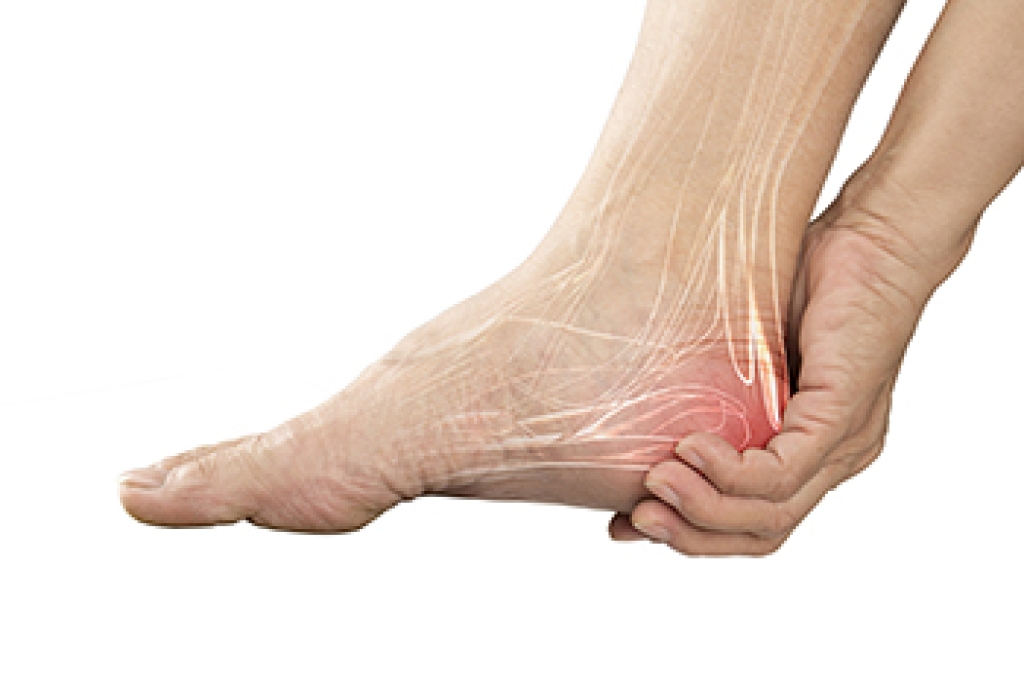
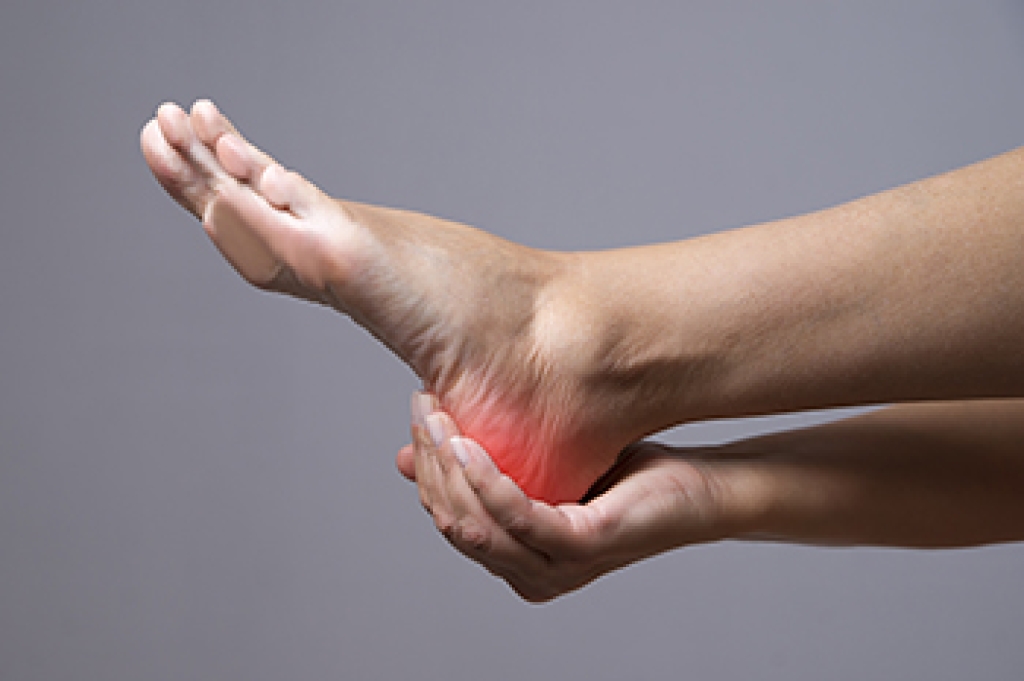
Heel pain in seniors often results from age-related changes in the feet, such as tissue wear, bone thinning, or chronic strain. A common cause of heel pain is plantar fasciitis, which involves inflammation of the thick band of tissue that connects the heel bone to the toes. This condition often leads to sharp pain during the first steps in the morning. Heel spurs, or bony growths beneath the heel, may develop alongside plantar fasciitis and contribute to discomfort. Achilles tendinitis can also cause heel pain, particularly at the back of the ankle, due to overuse or stiffness. Arthritis in the foot joints may lead to inflammation and limited mobility. Seniors are also at greater risk of stress fractures, bursitis, and heel pad syndrome, which results from thinning of the natural cushioning beneath the heel. Tarsal tunnel syndrome or peripheral neuropathy are sources of nerve-related heel pain. A podiatrist can identify the underlying cause of your heel pain. Effective treatment options include custom orthotics, night splints, injections, or surgery. If you are experiencing heel pain, it is suggested that you schedule an appointment with a podiatrist for an exam and a diagnosis to determine the best treatment plan for you.
Heel pain is often associated with plantar fasciitis. The plantar fascia is a band of tissues that extends along the bottom of the foot. A rip or tear in this ligament can cause inflammation of the tissue.
Achilles tendonitis is another cause of heel pain. Inflammation of the Achilles tendon will cause pain from fractures and muscle tearing. Lack of flexibility is also another symptom.
Heel spurs are another cause of pain. When the tissues of the plantar fascia undergo a great deal of stress, it can lead to ligament separation from the heel bone, causing heel spurs.
Why Might Heel Pain Occur?
Wearing ill-fitting shoes
Wearing non-supportive shoes
Weight change
Excessive running
Treatments
Heel pain should be treated as soon as possible for immediate results. Keeping your feet in a stress-free environment will help. If you suffer from Achilles tendonitis or plantar fasciitis, applying ice will reduce the swelling. Stretching before an exercise like running will help the muscles. Using all these tips will help make heel pain a condition of the past.
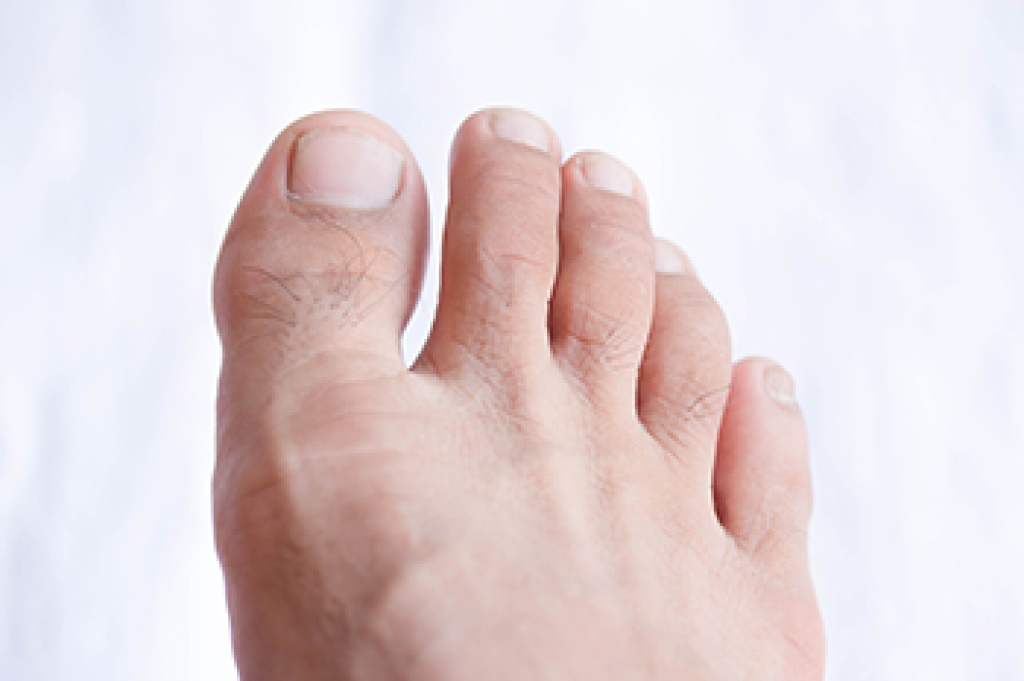
Running places significant stress on the feet and toes, making them prone to injury, especially over long distances or running downhill. One common issue is runner’s toe, medically known as a subungual hematoma, which develops when the toenail repeatedly strikes the inside of your shoe. This can lead to bleeding beneath the nail, resulting in changes in nail color, pain, and sometimes nail loss. Poorly fitting running shoes, tight socks, and heat-induced foot swelling can increase the risk. The big toe is most often affected, but the second through fifth toes may also suffer damage from shoe pressure or toe-on-toe friction. In some cases, the nail becomes thick, loose, or may fall off entirely. Repeated trauma may also lead to fungal infection or nail deformity. A podiatrist can assess the extent of the injury and determine if the nail bed or bone has been affected. Treatment includes draining any fluid buildup or in some cases removing the damaged nail. If you have problematic or painful toes that impede your running activities, it is suggested that you schedule an appointment with a podiatrist for an exam and appropriate treatment.
Most severe toe pain is caused due to a sports injury, trauma from dropping something heavy on the toe, or bumping into something rigid. Other problems can develop over time for various reasons.
Toe pain can be caused by one or more ailments. The most common include:
Trauma
Sports injury
Wearing shoes that are too tight
Arthritis
Gout
Corns and calluses
Hammertoe
Bunions
Blisters
Ingrown toenails
Sprains
Fractures (broken bones)
Dislocations
When to See a Podiatrist
Severe pain
Persistent pain that lasts more than a week
Signs of infection
Continued swelling
Pain that prevents walking
Diagnosis
In many cases the cause of toe pain is obvious, but in others, a podiatrist may want to use more advanced methods to determine the problem. These can range from simple visual inspections and sensation tests to X-rays and MRI scans. Prior medical history, family medical history, and any recent physical traumatic events will all be taken into consideration for a proper diagnosis.
Treatment
Treatments for toe pain and injuries vary and may include shoe inserts, padding, taping, medicines, injections, and in some cases, surgery. If you believe that you have broken a toe, please see a podiatrist as soon as possible.
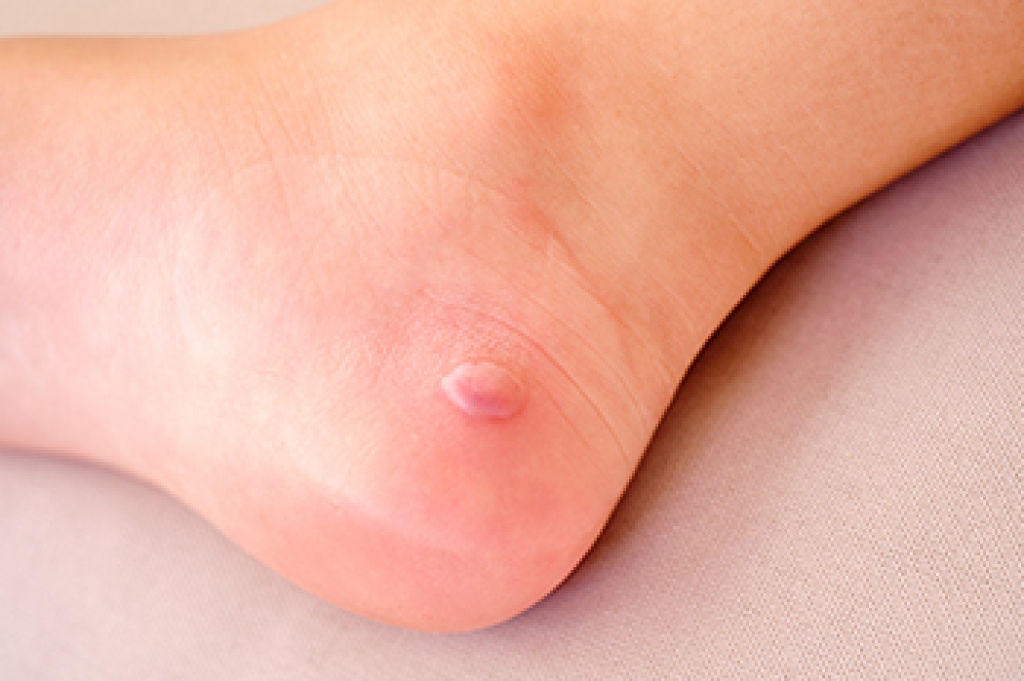
Blisters are fluid-filled sacs that form on the skin due to friction, heat, or cold. They commonly develop on the feet as the result of running, wearing ill-fitting shoes, or exposure to extreme temperatures. Blisters caused by friction typically appear as raised, clear bubbles of fluid on the skin, while those caused by heat or cold may be accompanied by redness, swelling, or pain. Symptoms include a painful, tender area where the skin has been damaged. Blisters from heat can occur from burns, while cold blisters may form due to frostbite or prolonged exposure to cold surfaces. The pain can range from mild to intense, especially when pressure is applied. A podiatrist can help by providing proper treatment, such as draining the blister, if necessary, dressing it to prevent infection, and advising on how to avoid future blisters. They can also offer guidance on selecting the right footwear. If you have painful blisters on the feet, it is suggested that you schedule an appointment with a podiatrist.
Blisters may appear as a single bubble or in a cluster. They can cause a lot of pain and may be filled with pus, blood, or watery serum. If your feet are hurting, contact one of our podiatrists of Dr. Jeffrey J. Betman & Associates . Our doctors can provide the care you need to keep you pain-free and on your feet.
Foot Blisters
Foot blisters are often the result of friction. This happens due to the constant rubbing from shoes, which can lead to pain.
What Are Foot Blisters?
A foot blister is a small fluid-filled pocket that forms on the upper-most layer of the skin. Blisters are filled with clear fluid and can lead to blood drainage or pus if the area becomes infected.
Symptoms
(Blister symptoms may vary depending on what is causing them)
Bubble of skin filled with fluid
Redness
Moderate to severe pain
Itching
Prevention & Treatment
In order to prevent blisters, you should be sure to wear comfortable shoes with socks that cushion your feet and absorb sweat. Breaking a blister open may increase your chances of developing an infection. However, if your blister breaks, you should wash the area with soap and water immediately and then apply a bandage to the affected area. If your blisters cause severe pain it is important that you call your podiatrist right away.
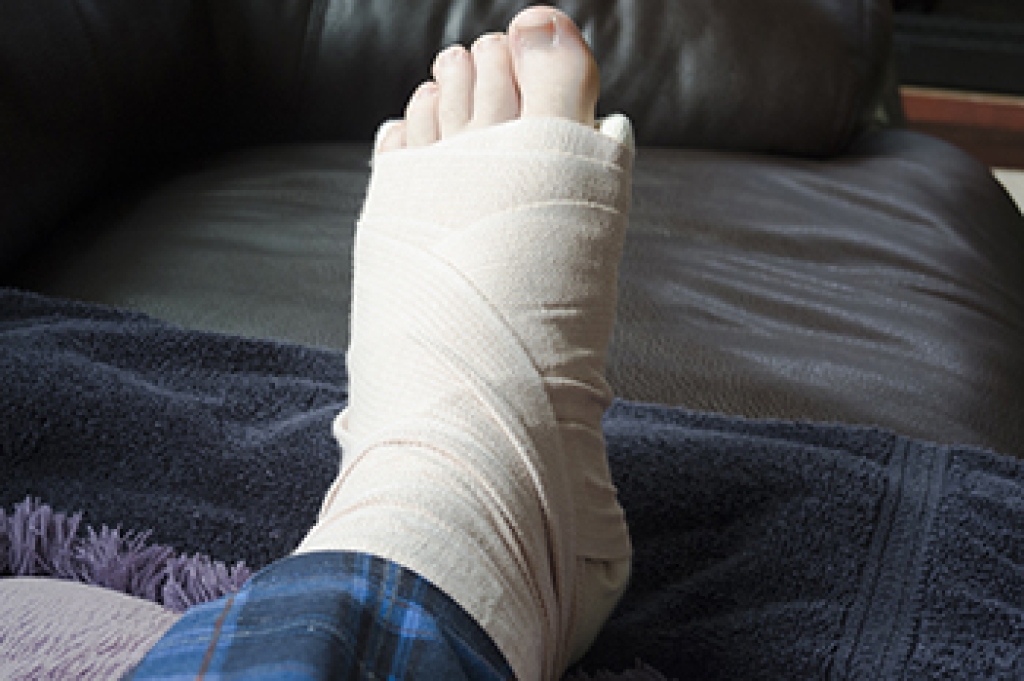
A broken foot can result from direct impact, falls, crush injuries, or repetitive stress. Symptoms include pain, swelling, bruising, limping, and difficulty bearing weight. The severity of a foot fracture depends on which of the 26 bones in the foot is affected. A podiatrist can diagnose your injury using X-rays or advanced imaging such as a CT scan. Treatment may involve immobilization with a stiff-soled shoe, boot, or brace to support healing. Some fractures, particularly those that involve joint surfaces or cause displacement, may require surgery to restore alignment. One possible complication of a foot fracture is non-union, which occurs when a broken bone fails to heal properly due to poor blood supply, continued movement at the fracture site, or other factors. This can lead to chronic pain and instability in the foot. Other complications include arthritis, if a joint is involved, and infection if the skin is broken. Recovery time depends on the type and location of the fracture. If you have a broken foot bone, it is suggested that you schedule an appointment with a podiatrist for an exam, diagnosis, and treatment options, which may include surgery.
A broken foot requires immediate medical attention and treatment. If you need your feet checked, contact one of our podiatrists from Dr. Jeffrey J. Betman & Associates . Our doctors can provide the care you need to keep you pain-free and on your feet.
Broken Foot Causes, Symptoms, and Treatment
A broken foot is caused by one of the bones in the foot typically breaking when bended, crushed, or stretched beyond its natural capabilities. Usually the location of the fracture indicates how the break occurred, whether it was through an object, fall, or any other type of injury.
Common Symptoms of Broken Feet:
Bruising
Pain
Redness
Swelling
Blue in color
Numbness
Cold
Misshapen
Cuts
Deformities
Those that suspect they have a broken foot shoot seek urgent medical attention where a medical professional could diagnose the severity.
Treatment for broken bones varies depending on the cause, severity and location. Some will require the use of splints, casts or crutches while others could even involve surgery to repair the broken bones. Personal care includes the use of ice and keeping the foot stabilized and elevated.
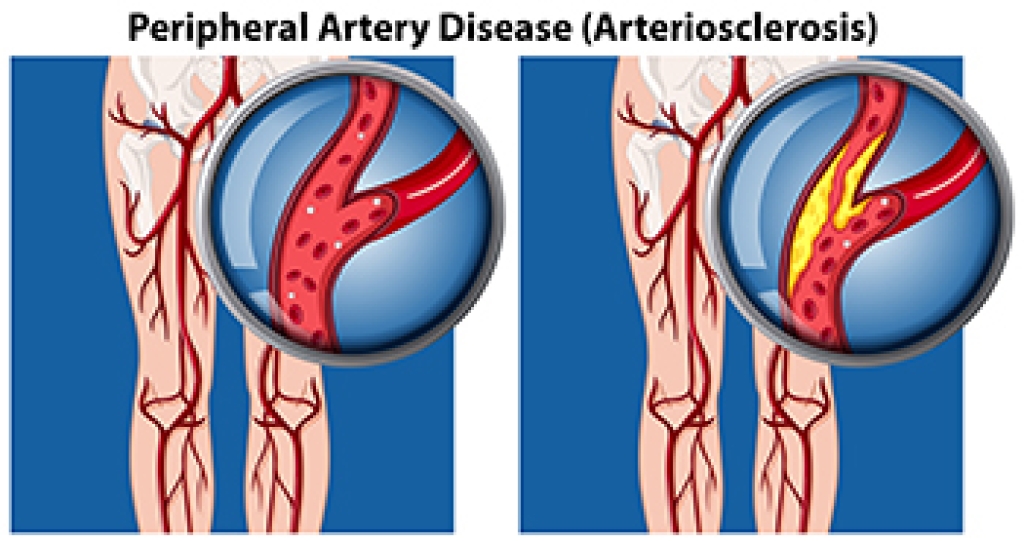
Peripheral artery disease, or PAD, occurs when plaque builds up in the arteries, causing reduced blood flow to the lower limbs. This leads to such symptoms as pain, cramping, or numbness in the feet, toes, or ankles. Smoking, diabetes, high blood pressure, and high cholesterol are major risk factors, while aging and a family history of vascular disease can also contribute to its development. Poor circulation from PAD may cause slow-healing wounds, skin discoloration, and, in severe cases, ulcers that increase the risk of infection or limb loss. A podiatrist can evaluate the blood flow to the feet and ankles, identify complications, and recommend appropriate treatment to help prevent more serious outcomes. Depending on the severity of the peripheral artery disease, treatment may include medical management or procedures like angioplasty or bypass surgery. If you are experiencing foot problems related to peripheral artery disease, it is suggested that you visit a podiatrist for guidance and treatment options.
Peripheral artery disease can pose a serious risk to your health. It can increase the risk of stroke and heart attack. If you have symptoms of peripheral artery disease, consult with one of our podiatrists from Dr. Jeffrey J. Betman & Associates . Our doctors will assess your condition and provide you with quality foot and ankle treatment.
Peripheral artery disease (PAD) is when arteries are constricted due to plaque (fatty deposits) build-up. This results in less blood flow to the legs and other extremities. The main cause of PAD is atherosclerosis, in which plaque builds up in the arteries.
Symptoms
Symptoms of PAD include:
Claudication (leg pain from walking)
Numbness in legs
Decrease in growth of leg hair and toenails
Paleness of the skin
Erectile dysfunction
Sores and wounds on legs and feet that won’t heal
Coldness in one leg
It is important to note that a majority of individuals never show any symptoms of PAD.
Diagnosis
While PAD occurs in the legs and arteries, Podiatrists can diagnose PAD. Podiatrists utilize a test called an ankle-brachial index (ABI). An ABI test compares blood pressure in your arm to you ankle to see if any abnormality occurs. Ultrasound and imaging devices may also be used.
Treatment
Fortunately, lifestyle changes such as maintaining a healthy diet, exercising, managing cholesterol and blood sugar levels, and quitting smoking, can all treat PAD. Medications that prevent clots from occurring can be prescribed. Finally, in some cases, surgery may be recommended.
Have your feet inspected by a professional before starting a new sport or physical activity. Taking charge of your foot health will keep you in good physical condition and can help you avoid a potential injury, such as a fracture or sprained ankle.
Ingrown toenails occur when the edges or corners of a toenail grow into the surrounding skin, causing pain, swelling, and sometimes infection. This condition commonly affects the big toe and can result from improper nail trimming, tight shoes, or injury. Symptoms of ingrown toenails include redness, tenderness, swelling, and sometimes a discharge of pus if an infection develops. The pain can range from mild to severe, making it difficult to wear shoes or walk comfortably. A podiatrist can help treat ingrown toenails by removing the affected portion of the nail or, in more severe cases, performing a minor surgical procedure to prevent it from recurring. They can also provide advice on proper nail care and footwear to prevent future issues. If you are dealing with ingrown toenails, it is suggested that you make an appointment with a podiatrist.
Ingrown toenails can become painful if they are not treated properly. For more information about ingrown toenails, contact one of our podiatrists of Dr. Jeffrey J. Betman & Associates . Our doctors can provide the care you need to keep you pain-free and on your feet.
Ingrown Toenails
Ingrown toenails occur when a toenail grows sideways into the bed of the nail, causing pain, swelling, and possibly infection.
Causes
Bacterial infections
Improper nail cutting such as cutting it too short or not straight across
Trauma to the toe, such as stubbing, which causes the nail to grow back irregularly
Ill-fitting shoes that bunch the toes too close together
Genetic predisposition
Prevention
Because ingrown toenails are not something found outside of shoe-wearing cultures, going barefoot as often as possible will decrease the likeliness of developing ingrown toenails. Wearing proper fitting shoes and using proper cutting techniques will also help decrease your risk of developing ingrown toenails.
Treatment
Ingrown toenails are a very treatable foot condition. In minor cases, soaking the affected area in salt or antibacterial soaps will not only help with the ingrown nail itself, but also help prevent any infections from occurring. In more severe cases, surgery is an option. In either case, speaking to your podiatrist about this condition will help you get a better understanding of specific treatment options that are right for you.
Foot pain can result from various factors that place stress on the muscles, joints, and ligaments. Aging naturally weakens the feet, reducing flexibility and cushioning, which can lead to discomfort during movement. Excess body weight increases pressure on the feet, contributing to conditions like plantar fasciitis and joint pain. Standing for long periods of time without proper support strains the arches and causes fatigue. Wearing shoes that do not fit properly, whether too tight or lacking support, can lead to blisters, calluses, and misalignment. Foot deformities such as bunions, hammertoes, or flat feet can create imbalance and pain with every step. If you have foot pain, it is suggested that you consult a podiatrist who can determine what the cause is, and offer appropriate relief and treatment solutions.
Foot Pain
Foot pain can be extremely painful and debilitating. If you have a foot pain, consult with one of our podiatrists from Dr. Jeffrey J. Betman & Associates . Our doctors will assess your condition and provide you with quality foot and ankle treatment.
Causes
Foot pain is a very broad condition that could be caused by one or more ailments. The most common include:
Bunions
Hammertoes
Plantar Fasciitis
Bone Spurs
Corns
Tarsal Tunnel Syndrome
Ingrown Toenails
Arthritis (such as Gout, Rheumatoid, and Osteoarthritis)
To figure out the cause of foot pain, podiatrists utilize several different methods. This can range from simple visual inspections and sensation tests to X-rays and MRI scans. Prior medical history, family medical history, and any recent physical traumatic events will all be taken into consideration for a proper diagnosis.
Treatment
Treatment depends upon the cause of the foot pain. Whether it is resting, staying off the foot, or having surgery; podiatrists have a number of treatment options available for foot pain.
Heel pad syndrome occurs when the protective fat pad beneath the heel thins or loses its elasticity, reducing the ability to absorb impact. This can result in deep, aching pain at the center of the heel, particularly when walking, standing, or engaging in high-impact activities. Some people describe a bruised sensation, which may worsen when walking barefoot or on hard surfaces. Repetitive stress, prolonged standing, excess body weight, and aging can contribute to the deterioration of the heel pad. Wearing inappropriate footwear and conditions that affect soft tissue integrity, such as diabetes or arthritis, may also play a role in developing heel pad syndrome. A podiatrist can evaluate the condition by examining your heel and assessing fat pad thickness. Diagnostic imaging may be used to differentiate heel pad syndrome from other sources of heel pain, like plantar fasciitis or stress fractures. Treatment options for heel pad syndrome include footwear modifications, custom orthotics, or cushioning inserts to support the heel and reduce discomfort. If you are experiencing pain on the bottom of the heel, it is suggested that you schedule an appointment with a podiatrist for a diagnosis and treatment options.
Heel pain is often associated with plantar fasciitis. The plantar fascia is a band of tissues that extends along the bottom of the foot. A rip or tear in this ligament can cause inflammation of the tissue.
Achilles tendonitis is another cause of heel pain. Inflammation of the Achilles tendon will cause pain from fractures and muscle tearing. Lack of flexibility is also another symptom.
Heel spurs are another cause of pain. When the tissues of the plantar fascia undergo a great deal of stress, it can lead to ligament separation from the heel bone, causing heel spurs.
Why Might Heel Pain Occur?
Wearing ill-fitting shoes
Wearing non-supportive shoes
Weight change
Excessive running
Treatments
Heel pain should be treated as soon as possible for immediate results. Keeping your feet in a stress-free environment will help. If you suffer from Achilles tendonitis or plantar fasciitis, applying ice will reduce the swelling. Stretching before an exercise like running will help the muscles. Using all these tips will help make heel pain a condition of the past.