
If you are suffering from tenderness, pain, or stiffness in the joints of your feet or ankles, call us to schedule an appointment.
If you are suffering from tenderness, pain, or stiffness in the joints of your feet or ankles, call us to schedule an appointment.

High heels, while often a stylish footwear choice, can lead to foot problems for many women. Regularly wearing these types of shoes can result in the feet becoming flatter, causing the big toe to deviate abnormally, either inwards or outwards. This is not just limited to the big toe, as the little toe can also be affected, tending to bend inwards. The altered posture and pressure points created by the elevated heel height can lead to various deformities. For women who frequently choose to wear high heels, it is essential to recognize the potential long-term effect on their foot health. If you enjoy wearing high heels, it is suggested that you make an appointment with a podiatrist who can offer guidance on how to wear heels in a way that minimizes harm. They can also suggest alternative fashionable footwear options that provide a better balance between fashion and foot health. Taking these precautions may help to prevent long-term foot issues.
High heels have a history of causing foot and ankle problems. If you have any concerns about your feet or ankles, contact one of our podiatrists from Dr. Jeffrey J. Betman & Associates . Our doctors can provide the care you need to keep you pain-free and on your feet.
Effects of High Heels on the Feet
High heels are popular shoes among women because of their many styles and societal appeal. Despite this, high heels can still cause many health problems if worn too frequently.
Which Parts of My Body Will Be Affected by High Heels?
What Kinds of Foot Problems Can Develop from Wearing High Heels?
How Can I Still Wear High Heels and Maintain Foot Health?
If you want to wear high heeled shoes, make sure that you are not wearing them every day, as this will help prevent long term physical problems. Try wearing thicker heels as opposed to stilettos to distribute weight more evenly across the feet. Always make sure you are wearing the proper shoes for the right occasion, such as sneakers for exercising. If you walk to work, try carrying your heels with you and changing into them once you arrive at work. Adding inserts to your heels can help cushion your feet and absorb shock. Full foot inserts or metatarsal pads are available.
If you have any questions, please feel free to contact our offices located in Northwest Chicago, Southwest Chicago, and Wicker Park, Chicago, IL . We offer the newest diagnostic and treatment technologies for all your foot care needs.
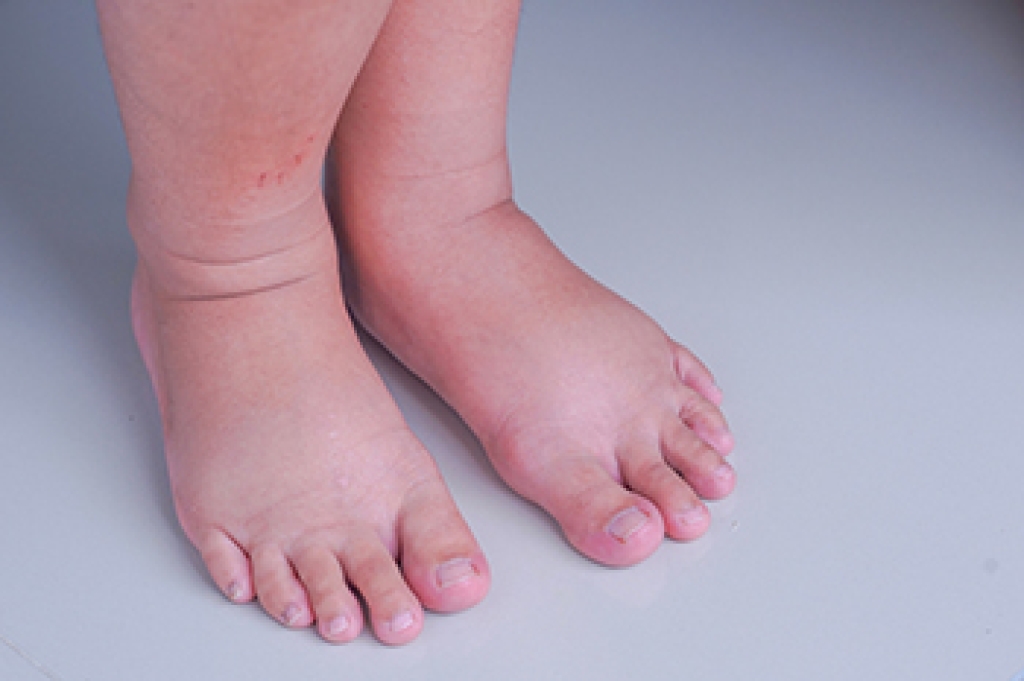
Lymphedema is a chronic condition characterized by swelling due to a compromised lymphatic system. This system is vital for the immune response and involves organs like the spleen and lymph nodes, as well as fluid-carrying vessels. Normally, it circulates a fluid called lymph, rich in white blood cells, throughout the body to combat infections. When blocked due to obesity, injuries, or genetic issues, the lymph gets trapped in tissues, causing swelling. The swelling usually occurs in the arms or legs and feet and can result in symptoms like heaviness, tight skin, limited joint mobility, skin thickening, and itching or burning sensations. Diagnosis involves multiple steps to rule out other causes of foot swelling, such as infections or blood clots. If you have swollen feet, it is suggested that you make an appointment with a podiatrist for a proper diagnosis and treatment.
Swollen feet can be a sign of an underlying condition. If you have any concerns, contact one of our podiatrists of Dr. Jeffrey J. Betman & Associates . Our doctors can provide the care you need to keep you pain-free and on your feet.
Swollen feet are a common ailment among pregnant women and people who stand or sit for extended periods. Aging may increase the possibility of swollen feet and patients who are obese often notice when their feet are swelling too. There may be medical reasons why swollen feet occur:
Swollen feet can also be caused by bone and tendon conditions, including fractures, arthritis, and tendinitis. Additionally, there may be skin and toenail conditions and an infection may cause the feet to swell. Patients who take medicine to treat high blood pressure may be prone to getting swollen feet.
Many patients elevate their feet to help relieve the swelling and this is generally a temporary remedy. When a podiatrist is consulted the reason behind the swelling can be uncovered and subsequently treated.
If you have any questions please contact our offices located in Northwest Chicago, Southwest Chicago, and Wicker Park, Chicago, IL . We offer the newest diagnostic and treatment technologies for all your foot and ankle needs.

Pregnancy is a transformative journey for a woman's body, which extends to her feet as well. As the body adapts to support the growing baby, several changes in the feet can occur. One common alteration is swelling, also known as edema, which is caused by increased blood and fluid volume. This can lead to a noticeable increase in foot size. Hormonal changes, specifically the hormone relaxin, can also affect the ligaments in the feet, potentially causing them to stretch and result in a broader foot shape. Weight gain during pregnancy adds extra pressure to the feet, often leading to fallen arches. These changes can be uncomfortable, but the good news is that they are usually temporary. Once the pregnancy is over, your feet will gradually return to their pre-pregnancy state. In the meantime, wearing comfortable, well-fitting shoes and having regular foot massages can help alleviate some of the discomfort and provide much-needed relief. If you are interested in learning more about how your feet can become affected by pregnancy, it is suggested that you confer with a podiatrist who can offer you useful information.
Pregnant women with swollen feet can be treated with a variety of different methods that are readily available. For more information about other cures for swollen feet during pregnancy, consult with one of our podiatrists from Dr. Jeffrey J. Betman & Associates . Our doctors will attend to all of your foot and ankle needs.
What Foot Problems Can Arise During Pregnancy?
One problem that can occur is overpronation, which occurs when the arch of the foot flattens and tends to roll inward. This can cause pain and discomfort in your heels while you’re walking or even just standing up, trying to support your baby.
Another problem is edema, or swelling in the extremities. This often affects the feet during pregnancy but tends to occur in the later stages.
How Can I Keep My Feet Healthy During Pregnancy?
If you have any questions, please feel free to contact our offices located in Northwest Chicago, Southwest Chicago, and Wicker Park, Chicago, IL . We offer the newest diagnostic and treatment technologies for all your foot care needs.
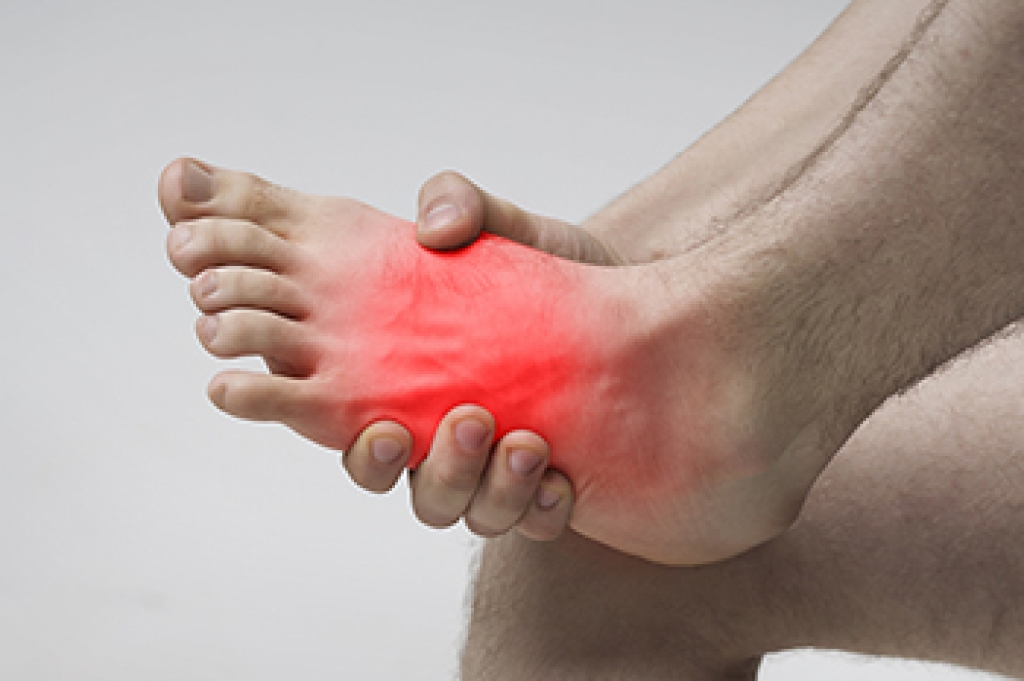
Stress fractures are tiny cracks in the bones that can result from excessive pounding or pressure and repeated trauma. One of the most common causes of stress fractures is engaging in high-impact activities. Sports like gymnastics, track and field and tennis, which involve constant pounding on hard surfaces, can put tremendous stress on the bones of your feet. Another significant cause is making sudden changes in the duration, frequency, or intensity of physical activity. Pushing your body too hard without adequate rest and recovery often leads to stress fractures. Wearing ill-fitting or worn-out running shoes without proper foot support can also contribute to stress fractures. Sometimes, anatomical abnormalities like flat feet or high rigid arches can increase your risk of developing stress fractures. Repetitive stress from exercises, especially in sports, can weaken bones over time, making them more susceptible to stress fractures. If you have had a stress fracture in the past, you may be at higher risk of experiencing another one. Women are more prone to stress fractures from osteoporosis, low bone density, irregular menstruation, and poor nutrition. Symptoms of stress fractures can be tricky to diagnose, as they may not show up on X-rays in the early stages. However, common symptoms can include a dull, generalized pain, swelling, and tenderness in a specific spot. This discomfort may worsen during activities and can persist even at rest if left untreated. If you suspect you may have a foot stress fracture, it is suggested that you make an appointment with a podiatrist for an exam and treatment options.
Activities where too much pressure is put on the feet can cause stress fractures. To learn more, contact one of our podiatrists from Dr. Jeffrey J. Betman & Associates . Our doctors can provide the care you need to keep your pain free and on your feet.
Dealing with Stress Fractures of the Foot and Ankle
Stress fractures occur in the foot and ankle when muscles in these areas weaken from too much or too little use. The feet and ankles then lose support when walking or running from the impact of the ground. Since there is no protection, the bones receive the full impact of each step. Stress on the feet can cause cracks to form in the bones, thus creating stress fractures.
What Are Stress Fractures?
Stress fractures occur frequently in individuals whose daily activities cause great impact on the feet and ankles. Stress factors are most common among:
Symptoms
Pain from the fractures occur in the area of the fractures and can be constant or intermittent. It will often cause sharp or dull pain with swelling and tenderness. Engaging in any kind of activity which involves high impact will aggravate pain.
If you have any questions please contact our offices located in Northwest Chicago, Southwest Chicago, and Wicker Park, Chicago, IL . We offer the newest diagnostic and treatment technologies for all your foot and ankle needs.
Connect With Us
