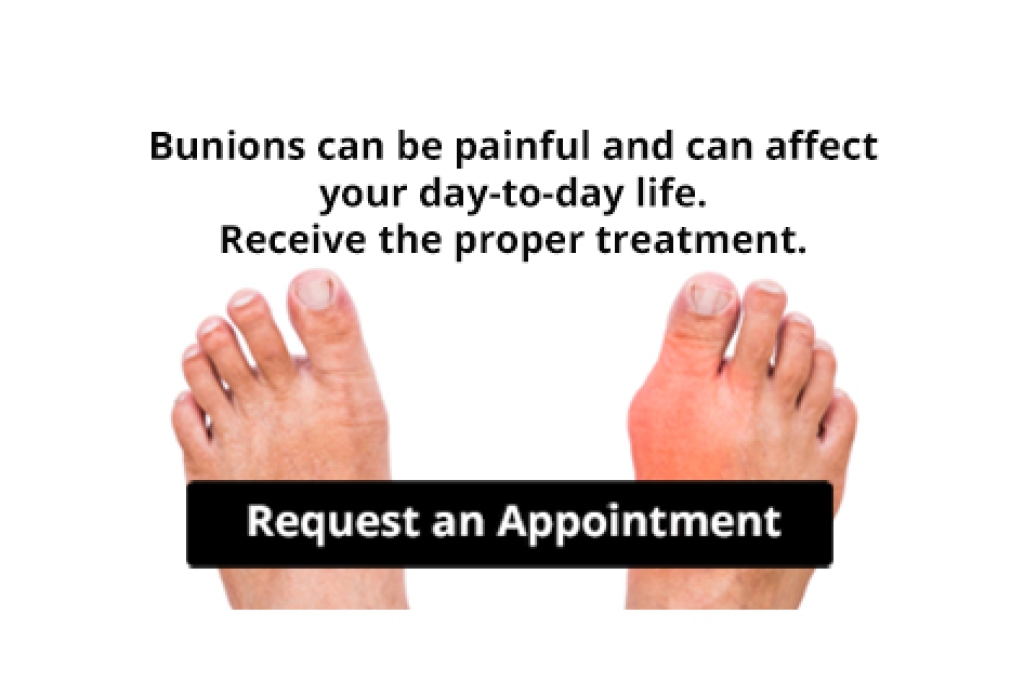
Have you noticed a bony protrusion on the side of your big toe? If so, you may have developed the foot condition known as a bunion. Don't let bunions interfere with your daily activities.
Have you noticed a bony protrusion on the side of your big toe? If so, you may have developed the foot condition known as a bunion. Don't let bunions interfere with your daily activities.
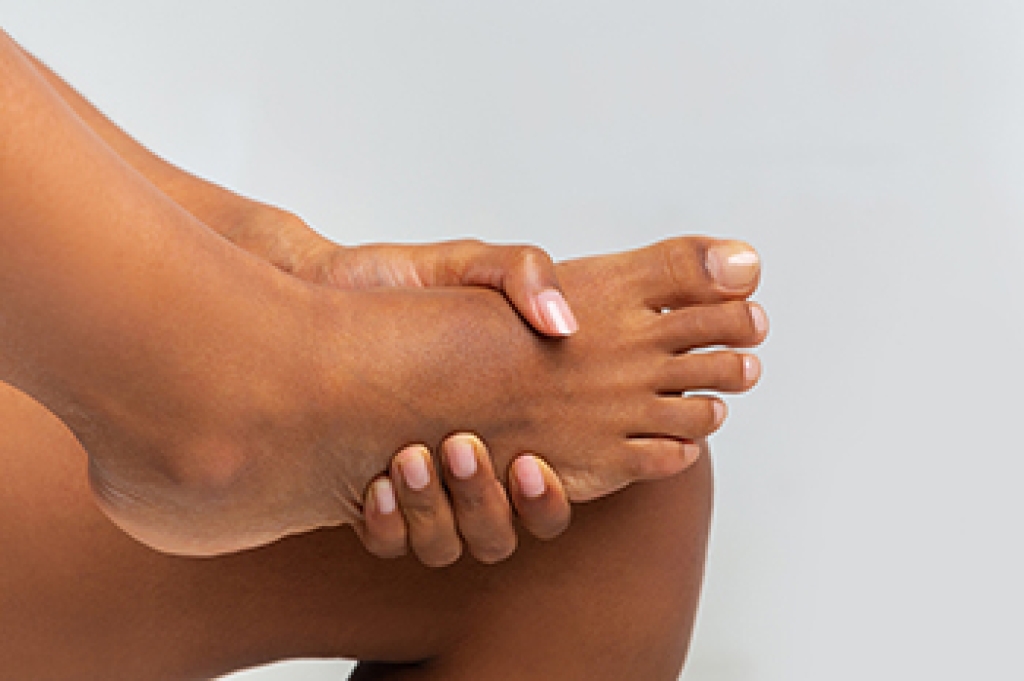
Plantar fibroma, a condition affecting the connective tissue in the foot, is characterized by the development of noncancerous nodules, or fibromas, in the arch of the foot. These fibromas arise from the plantar fascia, a band of tissue supporting the arch, and gradually lead to the formation of firm, sometimes painful lumps. The exact cause of plantar fibromas remains elusive, but factors like genetic predisposition, trauma, or inflammation of the plantar fascia are believed to contribute. Overuse or strain on the feet, coupled with genetic susceptibility, may trigger the abnormal growth of fibrous tissue. Unlike other foot conditions, plantar fibromas do not typically involve viral or bacterial infections. Understanding the definition and potential causes of plantar fibroma is vital for early recognition and management. If you have symptoms of this condition, it is suggested that you confer with a podiatrist who can accurately diagnose and treat plantar fibromas.
A plantar fibroma may disrupt your daily activities. If you have any concerns, contact one of our podiatrists of Dr. Jeffrey J. Betman & Associates . Our doctors can provide the care you need to keep you pain-free and on your feet.
Plantar Fibroma
A plantar fibroma is a fibrous knot in the arch of the foot. It is embedded in the plantar fascia which is a band of tissue that extends from the heel to the toes along the bottom of the foot. There can be multiple plantar fibromas in the feet at the same time. There are no known causes for this condition. If you have a plantar fibroma, there will be a bump in the arch of your foot that cannot be missed. Any associated pain is most often due to a shoe rubbing against the nodule. Non-surgical options, such as steroid injections, physical therapy, and orthotics should be tried first. Surgery is a last resort and is the only thing that will remove a plantar fibroma entirely. Consult with a podiatrist for a proper diagnosis and to determine the treatment regimen that is right for you.
What Causes a Plantar Fibroma?
While there are no specific causes identified, a plantar fibroma can possibly come from genetic predisposition or the formation of scar tissue that forms from healing the tears in the plantar fascia.
What Are the Symptoms of a Plantar Fibroma?
There will be a noticeable lump in the arch of the foot that may or may not cause pain. If pain is felt, it is typically because a shoe is rubbing up against the lump or when walking or standing barefoot.
Treatment and Prevention
A plantar fibroma will not disappear without treatment, but it can get smaller and be a non-issue. If pain persists, a podiatrist examines the foot and when the arch of the foot is pressed, pain can be felt down to the toes. An MRI or biopsy might be performed to help diagnose or evaluate the plantar fibroma. The following non-surgical options are generally enough to reduce the size and pain of these nodules:
Surgery is considered if the mass increases in size and the patient continues to feel pain after non-surgical methods are tried.
If you have any questions, please feel free to contact our offices located in Northwest Chicago, Southwest Chicago, and Wicker Park, Chicago, IL . We offer the newest diagnostic and treatment technologies for all your foot care needs.

Choosing the right running shoe is a critical decision that directly impacts both comfort and performance. Different foot types and running styles necessitate a personalized approach to ensure the perfect fit. For those individuals with high arches, cushioned shoes with ample shock absorption help absorb impact and provide essential support. Conversely, individuals with low arches or flat feet benefit from stability shoes that offer extra arch support and motion control. Runners who overpronate or supinate require shoes designed to address their specific gait patterns, preventing potential injuries. Determining your foot type and understanding your running mechanics are pivotal in guiding the selection process. Ultimately, investing time in finding the right running shoe tailored to your individual needs enhances not only the running experience but also safeguards against potential discomfort and injury. If you would like specific information about how to find the right running shoes for your needs, it is suggested that you consult a podiatrist.
You should always make sure your running shoes fit properly in order to avoid injury. For more information, contact one of our podiatrists from Dr. Jeffrey J. Betman & Associates . Our doctors can provide the care you need to keep you pain-free and on your feet.
Choosing the Right Running Shoe for Your Foot Type
Improper shoe sizing can cause a myriad of problems for your feet. Shoes that don’t fit you properly can lead to muscular imbalances in your body, which can result in foot, knee, and hip injuries.
Tips for Finding the Right Running Shoe
If you have any questions, please feel free to contact our offices located in Northwest Chicago, Southwest Chicago, and Wicker Park, Chicago, IL . We offer the newest diagnostic and treatment technologies for all your foot care needs.

A foot fracture, also known as a broken foot, refers to the break or crack in one or more of the bones within the foot. These fractures can result from various incidents, such as traumatic injuries, repetitive stress, or weakened bone structure. Diagnosing a foot fracture often involves a combination of physical examination and diagnostic imaging. The podiatrist will assess the injured area, looking for signs like pain, tenderness, swelling, deformity, and impaired range of motion. X-rays are the most common imaging tool used to confirm the diagnosis, allowing podiatrists to determine the type and location of the fracture accurately. Understanding the definition and diagnosis of a foot fracture is crucial for proper treatment and recovery. Whether it is a stress fracture from overuse or a traumatic injury, early diagnosis and appropriate management are essential for optimal healing and the restoration of normal foot function. If you have broken your foot, it is suggested that you consult a podiatrist who can provide one of several treatment options that are right for you.
A broken foot requires immediate medical attention and treatment. If you need your feet checked, contact one of our podiatrists from Dr. Jeffrey J. Betman & Associates . Our doctors can provide the care you need to keep you pain-free and on your feet.
Broken Foot Causes, Symptoms, and Treatment
A broken foot is caused by one of the bones in the foot typically breaking when bended, crushed, or stretched beyond its natural capabilities. Usually the location of the fracture indicates how the break occurred, whether it was through an object, fall, or any other type of injury.
Common Symptoms of Broken Feet:
Those that suspect they have a broken foot shoot seek urgent medical attention where a medical professional could diagnose the severity.
Treatment for broken bones varies depending on the cause, severity and location. Some will require the use of splints, casts or crutches while others could even involve surgery to repair the broken bones. Personal care includes the use of ice and keeping the foot stabilized and elevated.
If you have any questions, please feel free to contact our offices located in Northwest Chicago, Southwest Chicago, and Wicker Park, Chicago, IL . We offer the newest diagnostic and treatment technologies for all your foot care needs.

Toenail fungus, or onychomycosis, affects up to 14 percent of the population, with a higher incidence in toenails. Symptoms include discoloration, thickening, brittleness, and nail distortion. Advanced cases of toenail fungus may involve nail detachment, causing pain and potential infections. Fungal nail infections result from exposure to environmental fungi, exploiting small cracks in nails or surrounding skin. Risk factors include nail injuries, foot deformities, and trauma, creating entry points for fungi. Diabetes increases susceptibility due to compromised circulation and weakened immunity. Cancer or conditions suppressing the immune system elevate vulnerability. Poor leg circulation, such as venous insufficiency, or narrowed arteries, signaling peripheral artery disease, can contribute to the susceptibility for fungal nail infections. Those with a history of fungal skin infections are also more prone, especially anyone with a weakened immune system. Secondary bacterial infections are common in people with diabetes, amplifying health risks. Understanding toenail fungus causes and symptoms is essential for early detection. If you believe you have developed a toenail fungus infection, it is suggested that you schedule an appointment with a podiatrist who has advanced measures that can help rid you of this stubborn condition.
If left untreated, toenail fungus may spread to other toenails, skin, or even fingernails. If you suspect you have toenail fungus it is important to seek treatment right away. For more information about treatment, contact one of our podiatrists of Dr. Jeffrey J. Betman & Associates . Our doctors can provide the care you need to keep you pain-free and on your feet.
Symptoms
Treatment
If self-care strategies and over-the-counter medications does not help your fungus, your podiatrist may give you a prescription drug instead. Even if you find relief from your toenail fungus symptoms, you may experience a repeat infection in the future.
Prevention
In order to prevent getting toenail fungus in the future, you should always make sure to wash your feet with soap and water. After washing, it is important to dry your feet thoroughly especially in between the toes. When trimming your toenails, be sure to trim straight across instead of in a rounded shape. It is crucial not to cover up discolored nails with nail polish because that will prevent your nail from being able to “breathe”.
In some cases, surgical procedure may be needed to remove the toenail fungus. Consult with your podiatrist about the best treatment options for your case of toenail fungus.
If you have any questions please contact our offices located in Northwest Chicago, Southwest Chicago, and Wicker Park, Chicago, IL . We offer the newest diagnostic and treatment technologies for all your foot and ankle needs.
Connect With Us
