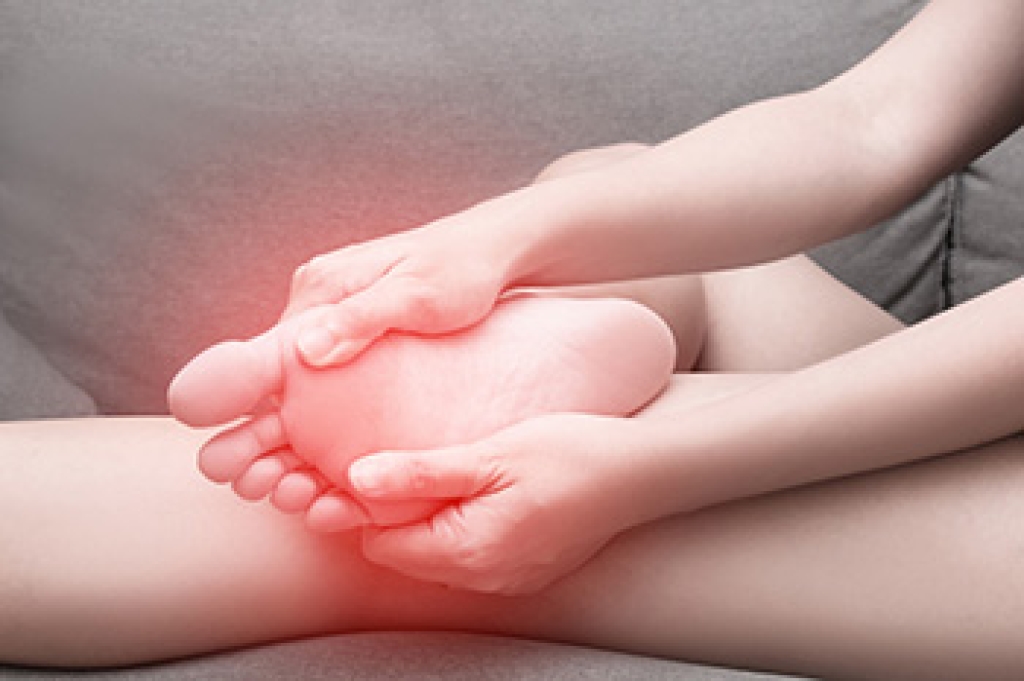
Common Causes of Foot Pain

Foot pain can result from various factors that place stress on the muscles, joints, and ligaments. Aging naturally weakens the feet, reducing flexibility and cushioning, which can lead to discomfort during movement. Excess body weight increases pressure on the feet, contributing to conditions like plantar fasciitis and joint pain. Standing for long periods of time without proper support strains the arches and causes fatigue. Wearing shoes that do not fit properly, whether too tight or lacking support, can lead to blisters, calluses, and misalignment. Foot deformities such as bunions, hammertoes, or flat feet can create imbalance and pain with every step. If you have foot pain, it is suggested that you consult a podiatrist who can determine what the cause is, and offer appropriate relief and treatment solutions.

Foot Pain

Foot pain can be extremely painful and debilitating. If you have a foot pain, consult with one of our podiatrists from Dr. Jeffrey J. Betman & Associates . Our doctors will assess your condition and provide you with quality foot and ankle treatment.

Causes

Foot pain is a very broad condition that could be caused by one or more ailments. The most common include:

  • Bunions
  • Hammertoes
  • Plantar Fasciitis
  • Bone Spurs
  • Corns
  • Tarsal Tunnel Syndrome
  • Ingrown Toenails
  • Arthritis (such as Gout, Rheumatoid, and Osteoarthritis)
  • Flat Feet
  • Injury (from stress fractures, broken toe, foot, ankle, Achilles tendon ruptures, and sprains)
  • And more

Diagnosis

To figure out the cause of foot pain, podiatrists utilize several different methods. This can range from simple visual inspections and sensation tests to X-rays and MRI scans. Prior medical history, family medical history, and any recent physical traumatic events will all be taken into consideration for a proper diagnosis.

Treatment

Treatment depends upon the cause of the foot pain. Whether it is resting, staying off the foot, or having surgery; podiatrists have a number of treatment options available for foot pain.

If you have any questions, please feel free to contact our offices located in Northwest Chicago, Southwest Chicago, and Wicker Park, Chicago, IL . We offer the newest diagnostic and treatment technologies for all your foot care needs.
Read more about Foot Pain

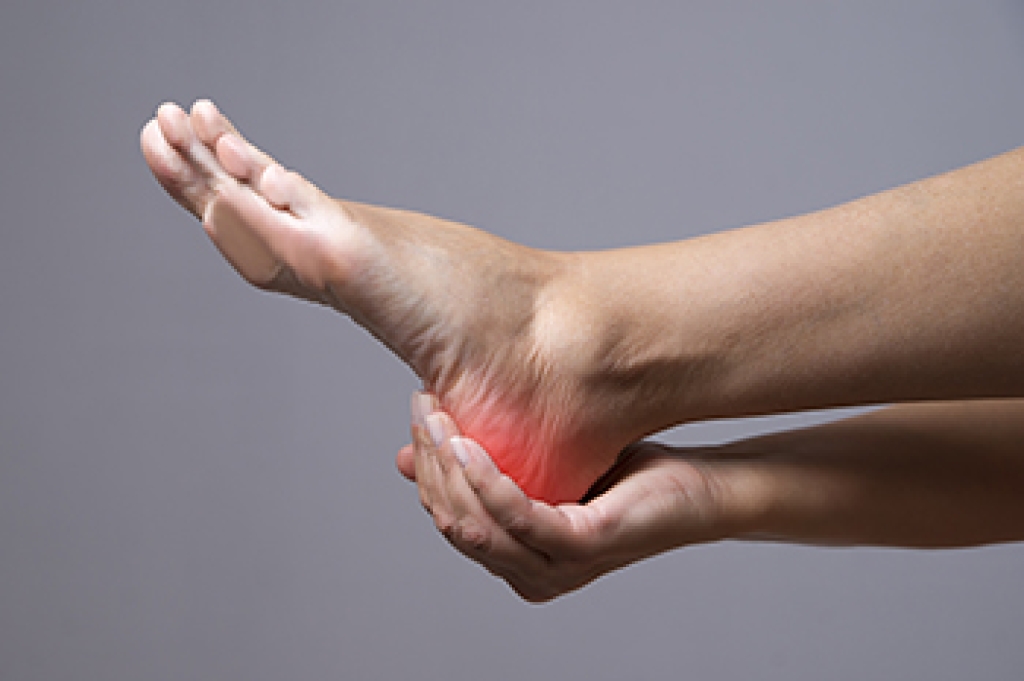
Symptoms and Causes of Heel Pad Syndrome

Heel pad syndrome occurs when the protective fat pad beneath the heel thins or loses its elasticity, reducing the ability to absorb impact. This can result in deep, aching pain at the center of the heel, particularly when walking, standing, or engaging in high-impact activities. Some people describe a bruised sensation, which may worsen when walking barefoot or on hard surfaces. Repetitive stress, prolonged standing, excess body weight, and aging can contribute to the deterioration of the heel pad. Wearing inappropriate footwear and conditions that affect soft tissue integrity, such as diabetes or arthritis, may also play a role in developing heel pad syndrome. A podiatrist can evaluate the condition by examining your heel and assessing fat pad thickness. Diagnostic imaging may be used to differentiate heel pad syndrome from other sources of heel pain, like plantar fasciitis or stress fractures. Treatment options for heel pad syndrome include footwear modifications, custom orthotics, or cushioning inserts to support the heel and reduce discomfort. If you are experiencing pain on the bottom of the heel, it is suggested that you schedule an appointment with a podiatrist for a diagnosis and treatment options.

Many people suffer from bouts of heel pain. For more information, contact one of our podiatrists of Dr. Jeffrey J. Betman & Associates . Our doctors can provide the care you need to keep you pain-free and on your feet.

Causes of Heel Pain

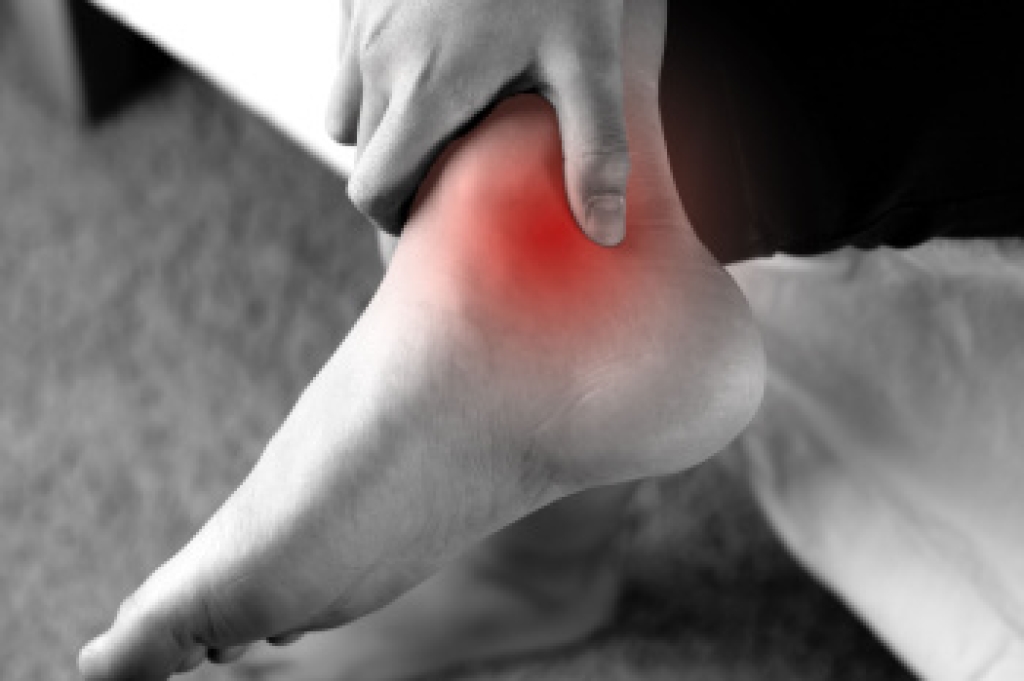
Heel pain is often associated with plantar fasciitis. The plantar fascia is a band of tissues that extends along the bottom of the foot. A rip or tear in this ligament can cause inflammation of the tissue.

Achilles tendonitis is another cause of heel pain. Inflammation of the Achilles tendon will cause pain from fractures and muscle tearing. Lack of flexibility is also another symptom.

Heel spurs are another cause of pain. When the tissues of the plantar fascia undergo a great deal of stress, it can lead to ligament separation from the heel bone, causing heel spurs.

Why Might Heel Pain Occur?

  • Wearing ill-fitting shoes                
  • Wearing non-supportive shoes
  • Weight change           
  • Excessive running

Treatments

Heel pain should be treated as soon as possible for immediate results. Keeping your feet in a stress-free environment will help. If you suffer from Achilles tendonitis or plantar fasciitis, applying ice will reduce the swelling. Stretching before an exercise like running will help the muscles. Using all these tips will help make heel pain a condition of the past.

If you have any questions, please feel free to contact our offices located in Northwest Chicago, Southwest Chicago, and Wicker Park, Chicago, IL . We offer the newest diagnostic and treatment technologies for all your foot care needs.
Read more about Heel Pain

Facts About Tarsal Tunnel Syndrome

Tarsal tunnel syndrome is caused by the compression of the posterior tibial nerve as it passes through the tarsal tunnel, located on the inside of the ankle. This compression can lead to various symptoms such as numbness, tingling, burning sensations, and sharp pain in the foot and ankle area. These symptoms often worsen with prolonged standing, walking, or activity. The causes of tarsal tunnel syndrome include trauma, repetitive stress, or conditions like diabetes that lead to nerve damage. Other contributing factors include swelling, cysts, or flat feet, which can narrow the tunnel and put pressure on the nerve. To diagnose tarsal tunnel syndrome, podiatrists rely on a thorough physical examination and may use imaging tests like MRI scans or ultrasounds to assess the area. Nerve conduction studies may also be performed to measure the electrical activity of the nerves and confirm the diagnosis. If you are experiencing any of the above symptoms, it is suggested that you confer with a podiatrist who can provide an accurate diagnosis and treatment.

Tarsal tunnel syndrome can be very uncomfortable to live with. If you are experiencing tarsal tunnel syndrome, contact one of our podiatrists of Dr. Jeffrey J. Betman & Associates . Our doctors can provide the care you need to keep you pain-free and on your feet.

Tarsal Tunnel Syndrome

Tarsal tunnel syndrome, which can also be called tibial nerve dysfunction, is an uncommon condition of misfiring peripheral nerves in the foot. The tibial nerve is the peripheral nerve in the leg responsible for sensation and movement of the foot and calf muscles. In tarsal tunnel syndrome, the tibial nerve is damaged, causing problems with movement and feeling in the foot of the affected leg.

Common Cause of Tarsal Tunnel Syndrome

  • Involves pressure or an injury, direct pressure on the tibial nerve for an extended period of time, sometimes caused by other body structures close by or near the knee.
  • Diseases that damage nerves, including diabetes, may cause tarsal tunnel syndrome.
  • At times, tarsal tunnel syndrome can appear without an obvious cause in some cases.

The Effects of Tarsal Tunnel Syndrome

  • Different sensations, an afflicted person may experience pain, tingling, burning or other unusual sensations in the foot of the affected leg.
  • The foot muscles, toes and ankle become weaker, and curling your toes or flexing your foot can become difficult.
  • If condition worsens, infections and ulcers may develop on the foot that is experiencing the syndrome.

A physical exam of the leg can help identify the presence of tarsal tunnel syndrome. Medical tests, such as a nerve biopsy, are also used to diagnose the condition. Patients may receive physical therapy and prescriptive medication. In extreme cases, some may require surgery.

If you have any questions please contact our offices located in Northwest Chicago, Southwest Chicago, and Wicker Park, Chicago, IL . We offer the newest diagnostic and treatment technologies for all your foot and ankle needs.

Read more about Tarsal Tunnel Syndrome

Preventing Toenail Issues While Running

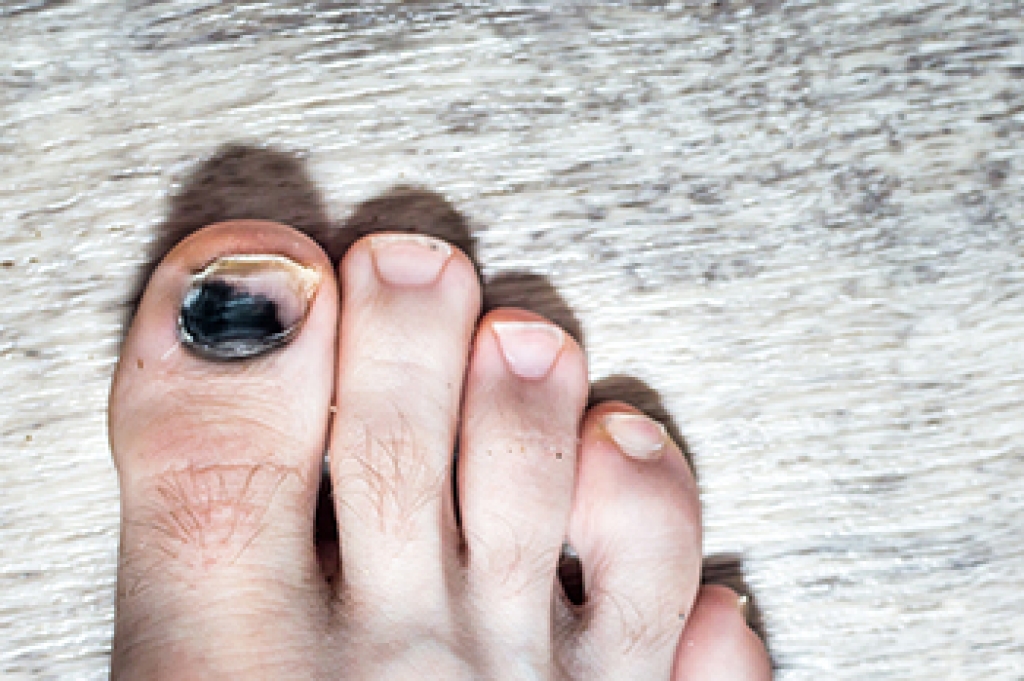
Running can put significant stress on the feet, often leading to various toenail issues. Common toenail conditions caused from running include black toenails, ingrown toenails and fungal infections, in addition to thickened nails, and toenail trauma. Black toenails usually occur from repeated impact, causing blood to pool under the nail. Ingrown toenails develop when the edges of the toenail grow into the surrounding skin, often causing pain and infection. Fungal infections thrive in a warm, moist environment created by sweat, leading to discoloration and thickened nails. Toenail trauma can happen from wearing ill-fitting shoes or improper running form. Preventing these issues requires wearing properly fitting shoes with enough room for the toes to move freely. Regularly trimming toenails straight across can help avoid ingrown nails, while keeping feet dry and using antifungal treatments can reduce the risk of infections. Additionally, performing proper nail care and recovery time after long runs can help prevent toenail damage. If you have developed toe pain from running, it is suggested that you consult a podiatrist who can provide an accurate diagnosis and treatment.

All runners should take extra precaution when trying to avoid injury. If you have any concerns about your feet, contact one of our podiatrists of Dr. Jeffrey J. Betman & Associates . Our doctors will treat your foot and ankle needs.

How to Prevent Running Injuries

There are a lot of mistakes a runner can make prior to a workout that can induce injury. A lot of athletes tend to overstretch before running, instead of saving those workouts for a post-run routine. Deep lunges and hand-to-toe hamstring pulls should be performed after a workout instead of during a warmup. Another common mistake is jumping into an intense routine before your body is physically prepared for it. You should try to ease your way into long-distance running instead of forcing yourself to rush into it.

More Tips for Preventing Injury

  • Incorporate Strength Training into Workouts - This will help improve the body’s overall athleticism
  • Improve and Maintain Your Flexibility – Stretching everyday will help improve overall performance
  • “Warm Up” Before Running and “Cool Down” Afterward – A warm up of 5-10 minutes helps get rid of lactic acid in the muscles and prevents delayed muscle soreness
  • Cross-Training is Crucial
  • Wear Proper Running Shoes
  • Have a Formal Gait Analysis – Poor biomechanics can easily cause injury

If you have any questions, please feel free to contact our offices located in Northwest Chicago, Southwest Chicago, and Wicker Park, Chicago, IL . We offer the newest diagnostic and treatment technologies for all your foot care needs.

Read more about Preventing Running Injuries

Heel Pain in the Morning?

Heel pain can negatively affect your day-to-day life. Simple activities like walking can become incredibly uncomfortable or painful due to heel pain.

Don’t live with heel pain and get treated.

Connect With Us