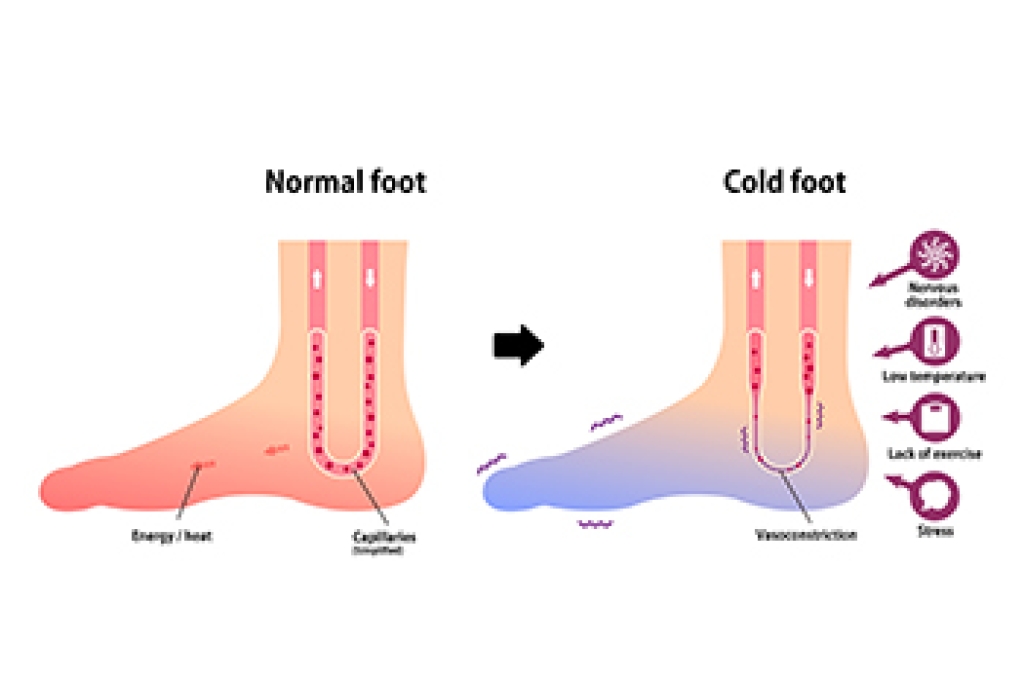
Cold Feet After Exercising

If your feet feel cold during or right after exercising, when the rest of your body feels warm, it may be a sign that something is wrong. It can be as simple as wearing shoes or socks that are too tight and restrict proper blood flow to the feet. Cold feet after exercising may also be caused by more serious underlying conditions, such as diabetes or peripheral artery disease. Falling or bumping into something during exercise also may cause the feet to become cold. In addition, fractures, bone spurs, or cysts may cause numbness and cold feet. Whatever the cause, having cold feet after exercise is not something to ignore. First, check your footwear to make sure it fits properly and is not laced too tightly. Next, check your feet for any sores or cuts that may have formed. If ignored, these can turn into ulcers. Foot cramps at night or pain that gets worse if your feet are elevated can also be warning signs. If getting cold feet after exercising becomes a common occurrence, it may be wise to visit a podiatrist for an exam, a diagnosis, and a treatment plan.  

Foot Pain

Foot pain can be extremely painful and debilitating. If you have a foot pain, consult with one of our podiatrists from Dr. Jeffrey J. Betman & Associates . Our doctors will assess your condition and provide you with quality foot and ankle treatment.

Causes

Foot pain is a very broad condition that could be caused by one or more ailments. The most common include:

  • Bunions
  • Hammertoes
  • Plantar Fasciitis
  • Bone Spurs
  • Corns
  • Tarsal Tunnel Syndrome
  • Ingrown Toenails
  • Arthritis (such as Gout, Rheumatoid, and Osteoarthritis)
  • Flat Feet
  • Injury (from stress fractures, broken toe, foot, ankle, Achilles tendon ruptures, and sprains)
  • And more

Diagnosis

To figure out the cause of foot pain, podiatrists utilize several different methods. This can range from simple visual inspections and sensation tests to X-rays and MRI scans. Prior medical history, family medical history, and any recent physical traumatic events will all be taken into consideration for a proper diagnosis.

Treatment

Treatment depends upon the cause of the foot pain. Whether it is resting, staying off the foot, or having surgery; podiatrists have a number of treatment options available for foot pain.

If you have any questions, please feel free to contact our offices located in Northwest Chicago, Southwest Chicago, and Wicker Park, Chicago, IL . We offer the newest diagnostic and treatment technologies for all your foot care needs.
Read more about Foot Pain

Gout and Coffee

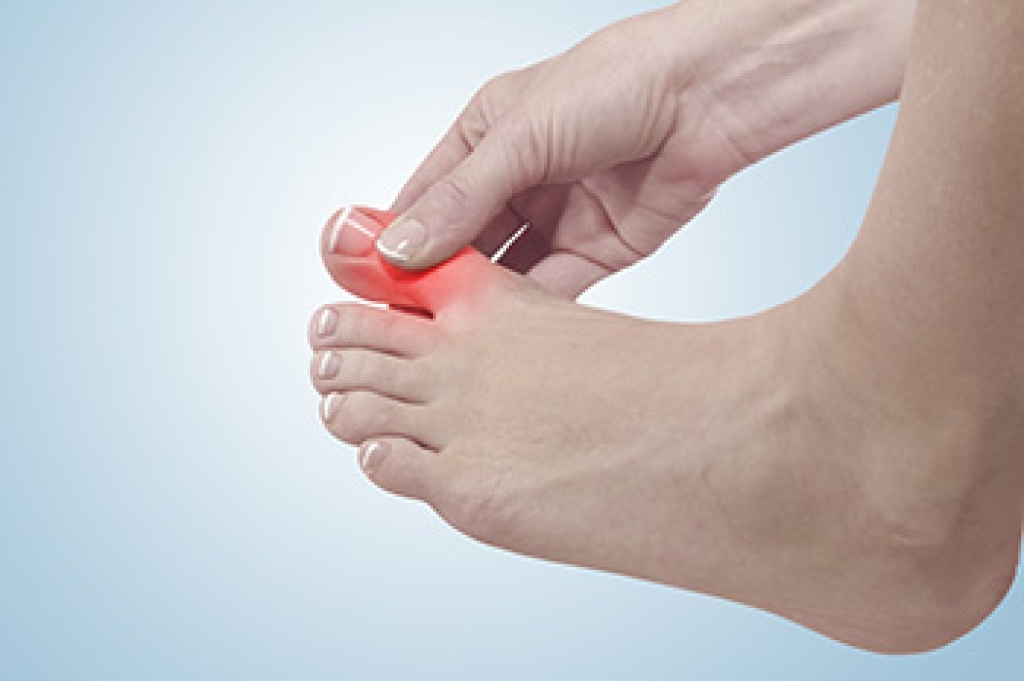
Many individuals across the country start their day with a hot cup of coffee. Fewer people, however, are aware of the interesting connection that coffee has with a foot condition known as gout. Gout is a particular kind of arthritis that primarily affects the big toe joint. Among people who do not already have gout, some individuals who consistently drank coffee over time experienced low risks of gout. However, among those who do already suffer from gout, sporadically drinking coffee might make you more susceptible to experiencing gout attacks. Therefore, coffee has an interesting, yet not immediately intuitive connection to one’s susceptibility to gout. If you have gout or want to learn more about its connection to coffee, contact a podiatrist today.

Gout is a foot condition that requires certain treatment and care. If you are seeking treatment, contact one of our podiatrists from Dr. Jeffrey J. Betman & Associates . Our doctors will treat your foot and ankle needs.

What Is Gout?

Gout is a type of arthritis caused by a buildup of uric acid in the bloodstream. It often develops in the foot, especially the big toe area, although it can manifest in other parts of the body as well. Gout can make walking and standing very painful and is especially common in diabetics and the obese.

People typically get gout because of a poor diet. Genetic predisposition is also a factor. The children of parents who have had gout frequently have a chance of developing it themselves.

Gout can easily be identified by redness and inflammation of the big toe and the surrounding areas of the foot. Other symptoms include extreme fatigue, joint pain, and running high fevers. Sometimes corticosteroid drugs can be prescribed to treat gout, but the best way to combat this disease is to get more exercise and eat a better diet.

If you have any questions, please feel free to contact our offices located in Northwest Chicago, Southwest Chicago, and Wicker Park, Chicago, IL . We offer the newest diagnostic and treatment technologies for all your foot care needs.

Read more about Gout

Is Wearing Flip-Flops Better Than Walking Barefoot?

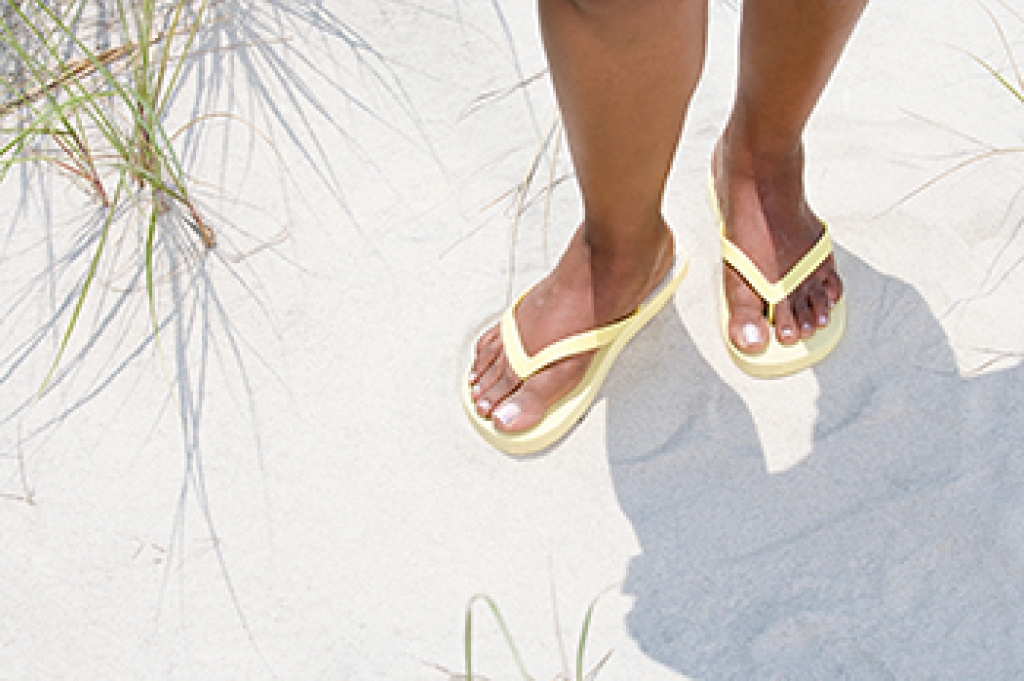
Walking barefoot can be better than walking in ill-fitting shoes, high heels, or flimsy flip-flops but there are a host of dangers that walking barefoot can bring on, from stepping on glass to acquiring an infection. Flip-flops should not replace sturdier casual footwear even if they look fashionable. Wearing flip-flops for a prolonged time can cause pain. Researchers have discovered that wearing flip-flops alters the way one walks, and an altered gait can lead to serious sole, heel, and ankle problems. This footwear also lacks foot support. One scrunches their toes to keep them on their feet while the heel is lifted into the air. This motion stretches the plantar fascia, the band of connective tissue that runs from the heel to the toes on the bottom of the foot, and can cause inflammation to the heel and sole, as well as heel spurs and tired feet. Flip-flop wearers shorten their stride and turn their ankles inward, probably to keep the flip-flops from falling off, which can cause ankle problems. If you have questions about wearing flip-flops, contact a podiatrist, an expert in everything related to the feet and ankles.

Flip-flops can cause a lot of problems for your feet. If you have any concerns about your feet or ankles, contact one of our podiatrists from Dr. Jeffrey J. Betman & Associates . Our doctors will assist you with all of your foot and ankle needs.

Flip-Flops and Feet

Flip-flops have managed to become a summer essential for a lot of people. While the shoes may be stylish and easy to slip on and off, they can be dangerous to those who wear them too often. These shoes might protect you from fungal infections such as athlete’s foot, but they can also give you foot pain and sprained ankles if you trip while wearing them.

When Are They Okay to Wear?

Flip-flops should only be worn for very short periods of time. They can help protect your feet in places that are crawling with fungi, such as gym locker rooms. Athlete’s foot and plantar warts are two common fungi that flip-flops may help protect your feet against.

Why Are They Bad for My Feet?

These shoes do not offer any arch support, so they are not ideal for everyday use. They also do not provide shock absorption or heel cushioning which can be problematic for your feet. Additionally, you may suffer from glass cuts, puncture wounds, and stubbed toes since they offer little protection for your feet.

More Reasons Why They Are Bad for Your Feet

  • They Slow You Down
  • May Cause Blisters and Calluses
  • Expose Your Feet to Bacteria

If you have any questions, please feel free to contact our offices located in Northwest Chicago, Southwest Chicago, and Wicker Park, Chicago, IL . We offer the newest diagnostic and treatment technologies for all your foot care needs.
Read more about Flipping Out About Flip Flops

Falls and Broken Ankles

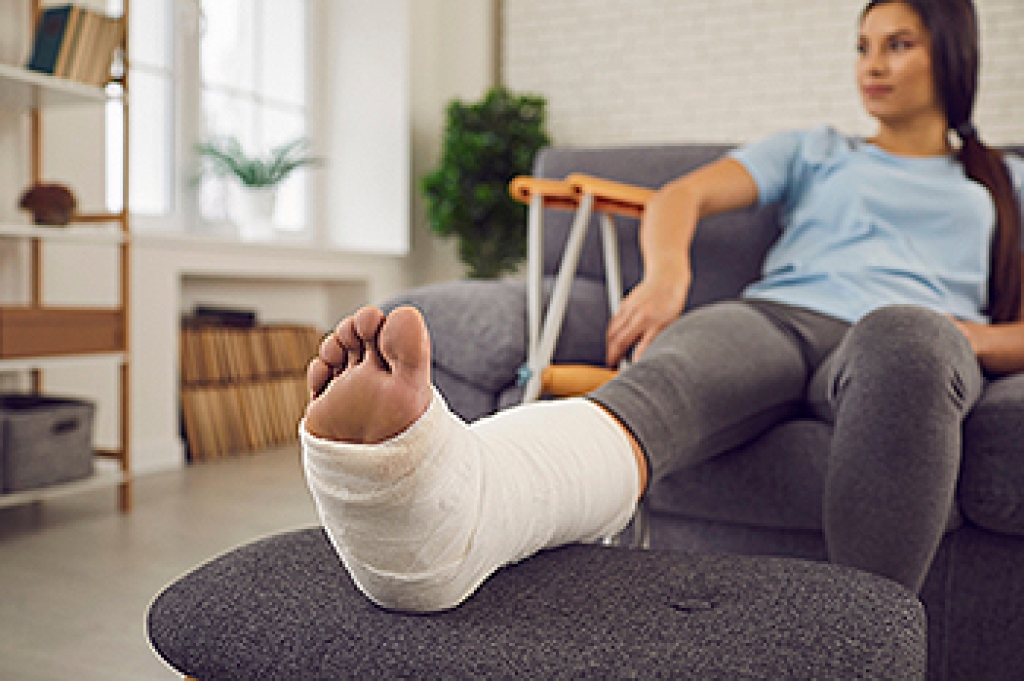
Falls are common among seniors and once one falls, their chances of falling again are doubled. Unfortunately, falls can create serious injuries, including head injuries and broken bones, which can make everyday activities and mobility difficult. Causes can be a weakness in their lower body, being deficient in Vitamin D, or having trouble with walking or balance. Other falls may be from medicines that impact steadiness on the feet and cause poor vision. Wearing ill-fitting footwear can also make one more likely to fall. Broken ankles are often the result of falls, and this can further impact normal life. It is important to pay attention to risk factors and try to remedy as many of these as possible to prevent falls. Visiting a podiatrist can be helpful in being evaluated for fall risks and getting specific suggestions for changes that need to be made.

Broken ankles need immediate treatment. If you are seeking treatment, contact one of our podiatrists from Dr. Jeffrey J. Betman & Associates . Our doctors can provide the care you need to keep you pain-free and on your feet. 

Broken Ankles
A broken ankle is experienced when a person fractures their tibia or fibula in the lower leg and ankle area. Both of these bones are attached at the bottom of the leg and combine to form what we know to be our ankle.

When a physician is referring to a break of the ankle, he or she is usually referring to a break in the area where the tibia and fibula are joined to create our ankle joint. Ankles are more prone to fractures because the ankle is an area that suffers a lot of pressure and stress. There are some obvious signs when a person experiences a fractured ankle, and the following symptoms may be present.

Symptoms of a Fractured Ankle

  • Excessive pain when the area is touched or when any pressure is placed on the ankle
  • Swelling around the area
  • Bruising of the area
  • Area appears to be deformed

If you suspect an ankle fracture, it is recommended to seek treatment as soon as possible. The sooner you have your podiatrist diagnose the fracture, the quicker you’ll be on the way towards recovery.

If you have any questions, please feel free to contact our offices located in Northwest Chicago, Southwest Chicago, and Wicker Park, Chicago, IL . We offer the newest diagnostic and treatment technologies for all your foot care needs.

Read more about All About Broken Ankles

Connect With Us