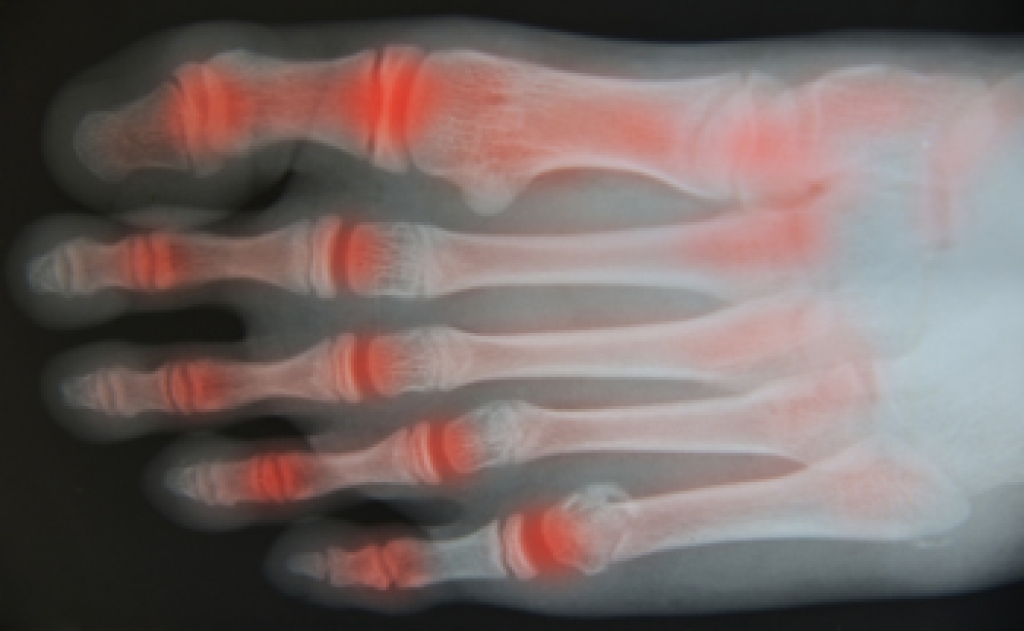
Treating Painful Symptoms of Rheumatoid Arthritis

Rheumatoid arthritis can be a debilitating disease where a joint's lining (synovium) is attacked by the body’s immune system. This causes the synovium to become inflamed, which damages the surrounding tissues and ligaments. In time, this may dislocate toe joints and cause deformities such as bunions and hammertoes. Along with toe joints, rheumatoid arthritis can also occur in the ankle joint, the tarsometatarsal joints in the midfoot, and the hindfoot (heel area). While rheumatoid arthritis has no cure, a podiatrist can help treat its symptoms which, if left untreated, may inhibit a person’s ability to lead a normal life. Your podiatrist may prescribe special shoes, braces, and/or create custom orthotics to help restore functionality to the feet and ankles and relieve pain. Icing, gentle exercises, and physical therapy may also help relieve symptoms, as can corticosteroid injections. Make an appointment with a podiatrist today to begin treatment for your painful rheumatoid arthritis symptoms.

Because RA affects more than just your joints, including the joints in your feet and ankles, it is important to seek early diagnosis from your podiatrist if you feel like the pain in your feet might be caused by RA. For more information, contact one of our podiatrists of Dr. Jeffrey J. Betman & Associates . Our doctors will assist you with all of your podiatric concerns.

What Is Rheumatoid Arthritis?

Rheumatoid Arthritis (RA) is an autoimmune disorder in which the body’s own immune system attacks the membranes surrounding the joints. Inflammation of the lining and eventually the destruction of the joint’s cartilage and bone occur, causing severe pain and immobility.

Rheumatoid Arthritis of the Feet

Although RA usually attacks multiple bones and joints throughout the entire body, almost 90 percent of cases result in pain in the foot or ankle area.

Symptoms

  • Swelling and pain in the feet
  • Stiffness in the feet
  • Pain on the ball or sole of feet
  • Joint shift and deformation

Diagnosis

Quick diagnosis of RA in the feet is important so that the podiatrist can treat the area effectively. Your doctor will ask you about your medical history, occupation, and lifestyle to determine the origin of the condition. Rheumatoid Factor tests help to determine if someone is affected by the disease.

If you have any questions, please feel free to contact our offices located in Northwest Chicago, Southwest Chicago, and Wicker Park, Chicago, IL . We offer the newest diagnostic and treatment technologies for all your foot care needs.


Read more about Rheumatoid Arthritis in the Feet

How Do Ingrown Toenails Develop?

The medical term for an ingrown toenail is onychocryptosis. It can cause pain and discomfort from the nail growing into the sides of the skin. It is a common foot condition that can be caused by wearing shoes that do not fit correctly. Additionally, many people develop ingrown toenails from genetic factors or from trimming the toenails incorrectly. The symptoms that are often observed with ingrown toenails are toe pain, redness, and a discharge may ooze from the affected area. The foot may feel better when it is soaked in warm water, and this can help to soften the skin. In mild cases, the ingrown toenail can be pushed away from the skin, which may accelerate healing. If you have developed an ingrown toenail and, especially if you have medical conditions that can include diabetes or neuropathy, it is strongly advised that you seek the counsel of a podiatrist who can provide the care needed.

Ingrown toenails can become painful if they are not treated properly. For more information about ingrown toenails, contact one of our podiatrists of Dr. Jeffrey J. Betman & Associates . Our doctors can provide the care you need to keep you pain-free and on your feet.

Ingrown Toenails

Ingrown toenails occur when a toenail grows sideways into the bed of the nail, causing pain, swelling, and possibly infection.

Causes

  • Bacterial infections
  • Improper nail cutting such as cutting it too short or not straight across
  • Trauma to the toe, such as stubbing, which causes the nail to grow back irregularly
  • Ill-fitting shoes that bunch the toes too close together
  • Genetic predisposition

Prevention

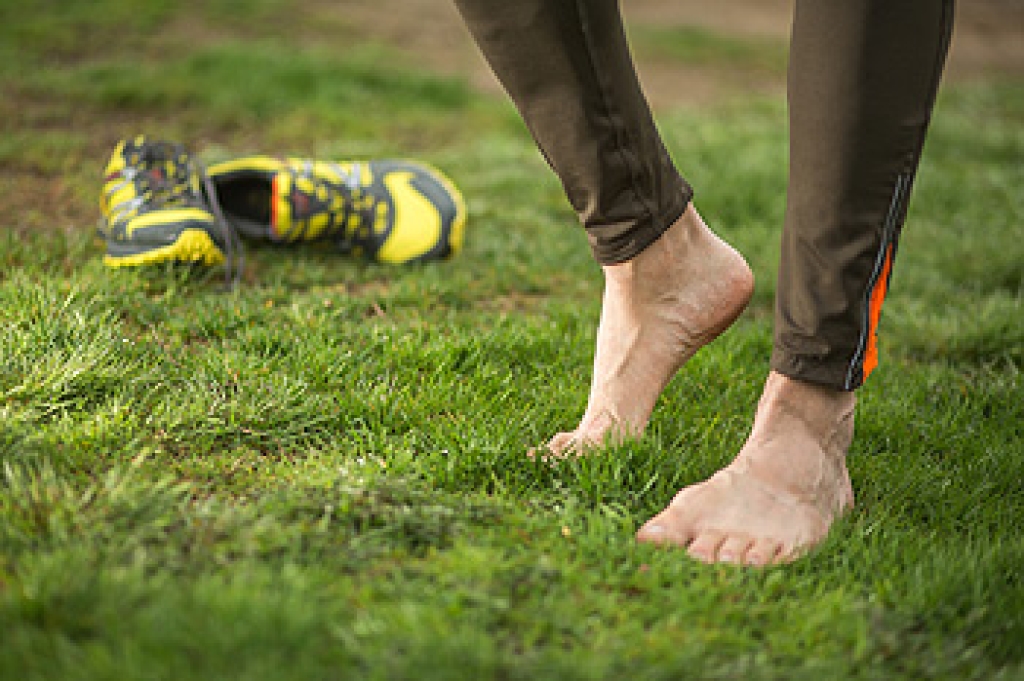
Because ingrown toenails are not something found outside of shoe-wearing cultures, going barefoot as often as possible will decrease the likeliness of developing ingrown toenails. Wearing proper fitting shoes and using proper cutting techniques will also help decrease your risk of developing ingrown toenails.

Treatment

Ingrown toenails are a very treatable foot condition. In minor cases, soaking the affected area in salt or antibacterial soaps will not only help with the ingrown nail itself, but also help prevent any infections from occurring. In more severe cases, surgery is an option. In either case, speaking to your podiatrist about this condition will help you get a better understanding of specific treatment options that are right for you.

If you have any questions, please feel free to contact our offices located in Northwest Chicago, Southwest Chicago, and Wicker Park, Chicago, IL . We offer the newest diagnostic and treatment technologies for all your foot care needs.
Read more about Ingrown Toenail Care

Be Free of Toenail Fungus for Spring

Don't hide your feet when the weather gets warm. Get treated for fungal nails, and wear sandals and open-toed shoes with confidence. Step into spring with confidence!

Dealing With Foot Spasms

A spasm is simply a contraction of the muscles and can be common in the feet. Spasms do not usually last long, but they can be extremely painful, not to mention annoying. Among the many possible causes of spasms are abnormal electrolyte balance, nerve damage, and dehydration. Spasms also may be the result of  serious disorders, including Parkinson’s disease, multiple sclerosis, dystonia, or Huntington disease. If you experience foot spasms more and more frequently or they begin to interfere with your daily life, it is a good idea to visit a podiatrist who is trained to diagnose the causes. You will likely be asked about your health history, and possibly be required to have a blood test to determine calcium, potassium, and magnesium levels. Vitamin D and hormone levels, kidney function, and nerve function may also be tested. Once the results are in, your podiatrist can discuss treatment options with you. 

Foot Pain

Foot pain can be extremely painful and debilitating. If you have a foot pain, consult with one of our podiatrists from Dr. Jeffrey J. Betman & Associates . Our doctors will assess your condition and provide you with quality foot and ankle treatment.

Causes

Foot pain is a very broad condition that could be caused by one or more ailments. The most common include:

  • Bunions
  • Hammertoes
  • Plantar Fasciitis
  • Bone Spurs
  • Corns
  • Tarsal Tunnel Syndrome
  • Ingrown Toenails
  • Arthritis (such as Gout, Rheumatoid, and Osteoarthritis)
  • Flat Feet
  • Injury (from stress fractures, broken toe, foot, ankle, Achilles tendon ruptures, and sprains)
  • And more

Diagnosis

To figure out the cause of foot pain, podiatrists utilize several different methods. This can range from simple visual inspections and sensation tests to X-rays and MRI scans. Prior medical history, family medical history, and any recent physical traumatic events will all be taken into consideration for a proper diagnosis.

Treatment

Treatment depends upon the cause of the foot pain. Whether it is resting, staying off the foot, or having surgery; podiatrists have a number of treatment options available for foot pain.

If you have any questions, please feel free to contact our offices located in Northwest Chicago, Southwest Chicago, and Wicker Park, Chicago, IL . We offer the newest diagnostic and treatment technologies for all your foot care needs.

Read more about Foot Pain

Prevention of Athlete’s Foot

Athlete’s foot is a common and contagious fungal infection of the skin. Common symptoms are dry, red, and cracked skin that generally develops on the bottom of the foot and in between the toes. It can spread to the toes and other areas of the foot if it is not promptly treated. This fungus can be uncomfortable and cause irritability and embarrassment. There are effective methods that can help to prevent athlete’s foot. These include wearing appropriate shoes while in public shower rooms or locker rooms and keeping your feet washed and thoroughly dried regularly. Additionally, it is advised to refrain from sharing shoes and socks. It is beneficial to wear shoes that are made of natural materials as this may help the feet to feel more comfortable. There are several treatment methods that respond well to athlete’s foot and it is suggested that you consult with a podiatrist who can determine which treatment options are best for you.

Athlete’s foot is an inconvenient condition that can be easily reduced with the proper treatment. If you have any concerns about your feet and ankles, contact one of our podiatrists from Dr. Jeffrey J. Betman & Associates .  Our doctors will treat your foot and ankle needs.

Athlete’s Foot: The Sole Story

Athlete's foot, also known as tinea pedis, can be an extremely contagious foot infection. It is commonly contracted in public changing areas and bathrooms, dormitory style living quarters, around locker rooms and public swimming pools, or anywhere your feet often come into contact with other people.

Solutions to Combat Athlete’s Foot

  • Hydrate your feet by using lotion
  • Exfoliate
  • Buff off nails
  • Use of anti-fungal products
  • Examine your feet and visit your doctor if any suspicious blisters or cuts develop

Athlete’s foot can cause many irritating symptoms such as dry and flaking skin, itching, and redness. Some more severe symptoms can include bleeding and cracked skin, intense itching and burning, and even pain when walking. In the worst cases, Athlete’s foot can cause blistering as well. Speak to your podiatrist for a better understanding of the different causes of Athlete’s foot, as well as help in determining which treatment options are best for you.

If you have any questions please feel free to contact our offices located in Northwest Chicago, Southwest Chicago, and Wicker Park, Chicago, IL . We offer the newest diagnostic and treatment technologies for all your foot and ankle needs.

Read more about Athlete's Foot

Connect With Us